


Camping Cooking Equipment Buying Guide 2026
Camp Kitchen
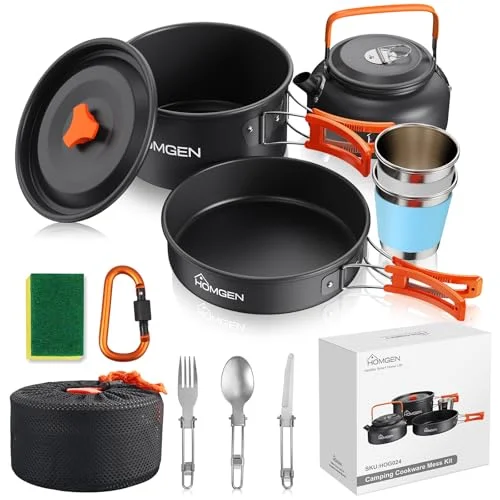
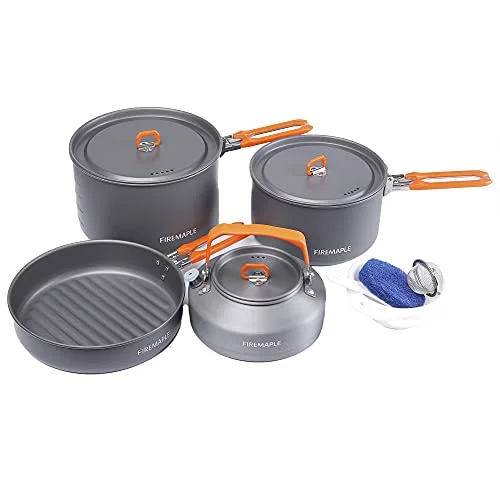
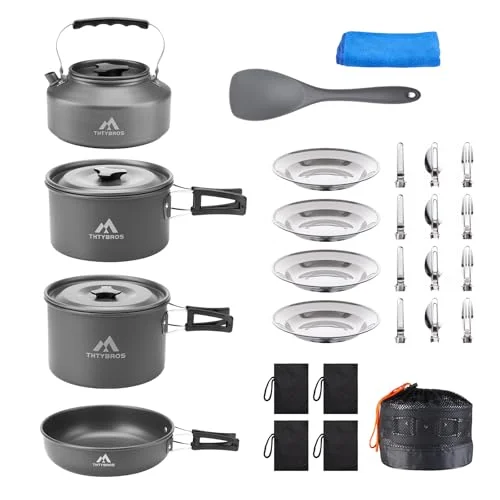
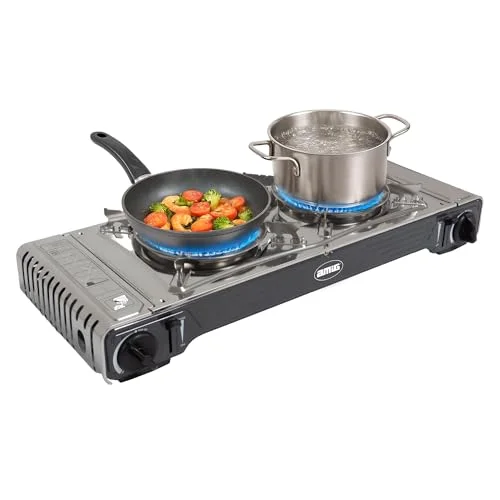
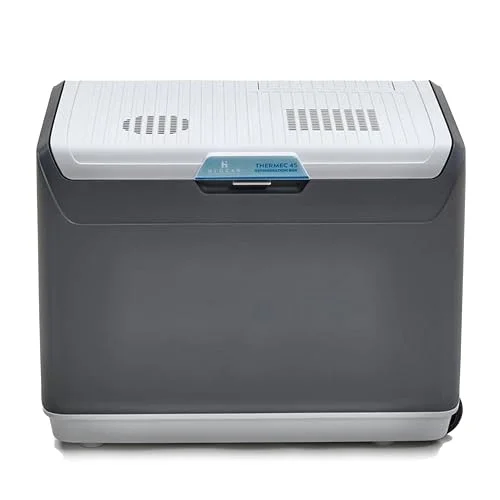
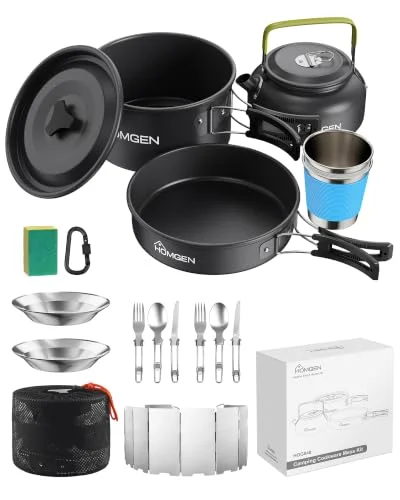
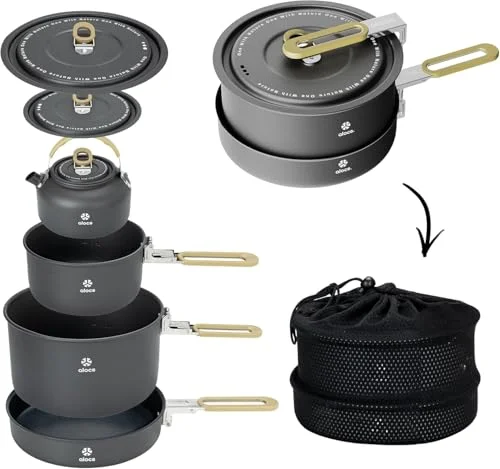
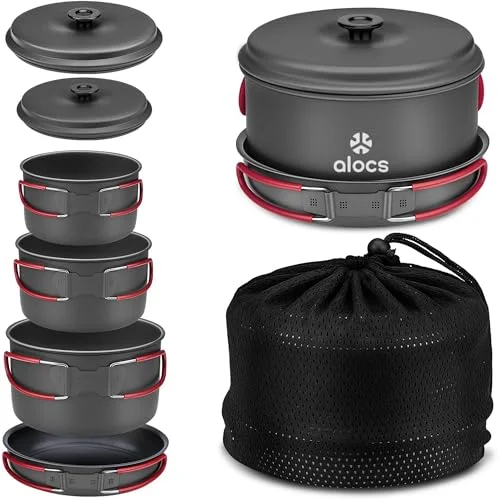
Spec lists in this category are noisy. Here's what actually changes your experience and what's there to fill a box.
Stove materials and burner design
Most stove heads are aluminium alloy (light, good heat transfer) or steel (heavier, tougher). For car camping, steel is fine; for backpacking, aluminium wins. The difference is typically 50–150 g — trivial over a weekend, meaningful over a week on the hill. Open-flame burners are simple and reliable but wind-prone; enclosed burners are more stable and slightly heavier, and they're standard in mid-range kits for good reason.
Pot and pan materials in depth
- Steel — durable, excellent heat retention, non-stick once seasoned, but a 2-litre pot weighs 800 g to 1 kg and rusts if packed away wet. Best for car camping and group trips.
- Aluminium — a 2-litre pot weighs 200–300 g and heats fast, but it's soft, dents easily and can react with acidic food. Cheap and cheerful.
- Hard-anodised aluminium — tougher than plain aluminium, non-reactive, and the quality default. Worth the small premium for anything beyond a single trip.
- Titanium — extremely light and durable, but rare below the premium band and rarely justified unless every gram counts.
Sizing: capacity and footprint
Capacity is in litres, but footprint (diameter) matters more than most campers realise. A wide, shallow pot is unstable on a small burner; a tall, narrow one is steadier but heats unevenly. Aim for a pot diameter that matches your stove head, usually 15–20 cm. A 1-litre pot boils water for two; a 2-litre pot handles pasta for three or four and is only marginally heavier — which is why it's the smarter buy for most people.
Integrated versus separate systems
Integrated kits combine burner, pot and windbreak into one nest. They're compact and light, but you're locked into one pot size, and a dented pot means a dead system. Separate stove and pot weigh a little more and take more space but give you flexibility — and the ability to swap in a bigger pot when the group grows.
The details that bite
- Handles — thin metal handles conduct heat straight into your palm. Insulated or foldable handles are non-negotiable for comfort.
- Lids — speed up boiling and save fuel; not essential, but cheap efficiency.
- Cartridge thread — universal threads fit most canisters and keep you flexible; proprietary ones lock you to one brand. Check before buying.
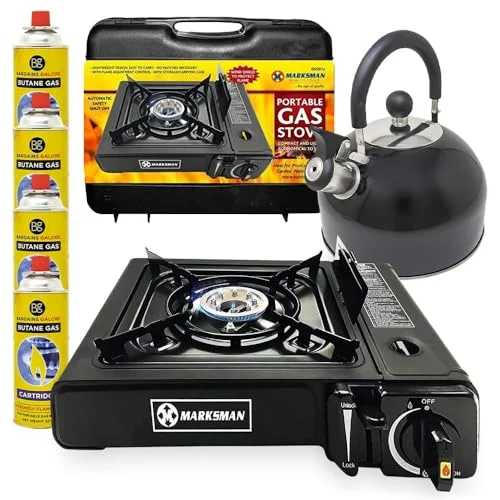
- Windbreak — clip-on or integrated. In Britain this is a necessity, not an accessory.
Budget Bands: What Each Tier Actually Buys
Prices across the category run from roughly £15 to £130, but the meaningful decision points sit at three tiers. Here's what you get at each.
| Aspect | Budget (up to ~£40) | Mid-range (~£40–£50) | Premium (above ~£50) |
|---|---|---|---|
| Fuel type | Cartridge | Cartridge | Cartridge or liquid |
| Wind protection | None or basic foil | Clip-on windbreak | Integrated, advanced |
| Heat control | On/off valve | Needle valve | Excellent simmer |
| Pot material | Plain aluminium | Hard-anodised aluminium | Titanium or premium aluminium |
| Handles | Thin metal | Insulated or folding | Insulated, well finished |
| Cold-weather use | Poor below 5°C | Moderate | Excellent |
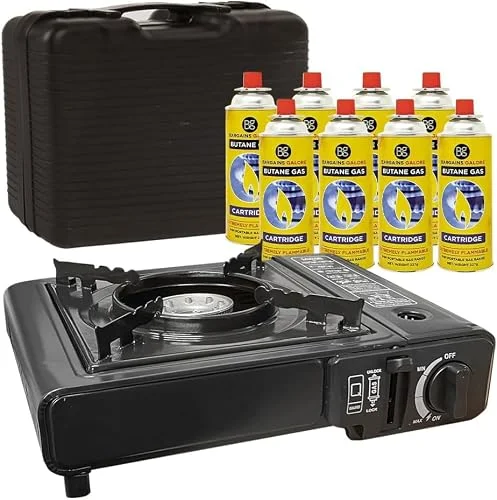
Budget (up to about £40) gets you a lightweight cartridge stove, a basic 1–1.5 litre aluminium pot, an on/off valve and little or no wind protection. It's genuinely fine for festival weekends and fair-weather car camping where you're boiling water and heating tinned food. The trade-off is real, though: thin handles that scorch your fingers, a flame that sulks in a breeze, and simmering that's guesswork. Camp regularly and you'll upgrade within a year.
Mid-range (about £40–£50) is where most UK campers should land. You get an enclosed or semi-enclosed burner, a clip-on windbreak, a 1.5–2 litre hard-anodised pot with insulated handles, and a needle valve for proper control. It's still light — usually under a kilo for stove and pot together — and it handles British weather without drama. The trade-off is that cartridge fuel costs more per use than liquid, but the simplicity is worth it for the vast majority of trips.
Premium (above about £50) buys liquid-fuel reliability in the cold, integrated stove-and-pot systems that save weight and bulk, titanium cookware, and advanced wind protection. This is the right band for winter campers, long-distance backpackers and anyone carrying kit for days at a time. The trade-offs are higher upfront cost, more skill required (priming, maintenance) and, with integrated systems, less flexibility.
When you filter our live picks, prioritise fuel type, a windbreak, 1.5–2 litre capacity, insulated handles and a needle valve. Those five filters will steer you to the right kit at any band.
Common Mistakes, FAQs and Final Advice
Five mistakes that waste money
- Buying without a windbreak — you'll improvise with rocks and foil, burn extra fuel and curse the weather. Budget a little extra or choose a kit that includes one.
- Choosing on power alone — high output that only boils or burns is less useful than a moderate stove you can dial down.
- Underestimating pot size — a 1-litre pot is cramped for two and hopeless for a group; a 2-litre pot costs almost nothing in weight and far more flexible.
- Ignoring cartridge compatibility — proprietary canisters lock you into one brand and cost more; universal threads keep your options open.
- Skimping on handles — thin metal handles are false economy. Spend a little more upfront and skip the buyer's remorse.
FAQs
Can I use a camping stove in a tent? No. Stoves produce carbon monoxide and consume oxygen. Use them outdoors or in well-ventilated spaces only — many UK campsites ban indoor stove use outright.
How long does a canister last? A standard canister gives two to four hours depending on heat setting and temperature. A weekend for two typically uses one, maybe two in the cold.
Is liquid fuel worth it for occasional camping? Usually not. It's cheaper per use but demands priming, maintenance and soot cleaning. It earns its place in winter and on long expeditions, not on a two-night campsite break.
Hard-anodised versus plain aluminium? Hard-anodised is tougher, non-reactive and longer-lasting. For anything beyond a single trip, it's the better buy.
Final advice
Camping cooking equipment doesn't need to be complicated or expensive. A mid-range cartridge stove in the £40–£50 band, with a windbreak and a 2-litre hard-anodised pot, will serve you reliably for years and cope with whatever a British summer delivers. Buy once, cook well, and enjoy a hot meal in the rain — that's the whole point. Use the specs above to filter our live picks for wind protection, insulated handles and a needle valve, and you'll land on a setup that fits your trips and your budget.
Keep reading
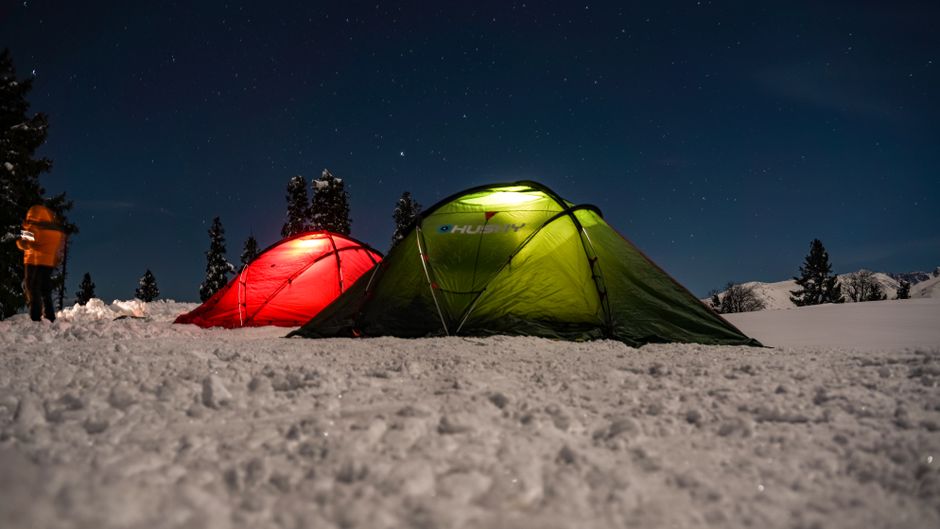
A good tent is the difference between a night under the stars and a damp, wind-battered scramble to pack up at dawn. In the UK, rain and wind are as…

Master backpacking gear selection for UK camping & hiking. Learn weight, weather, and pack essentials for Lake District to Scottish Highlands.
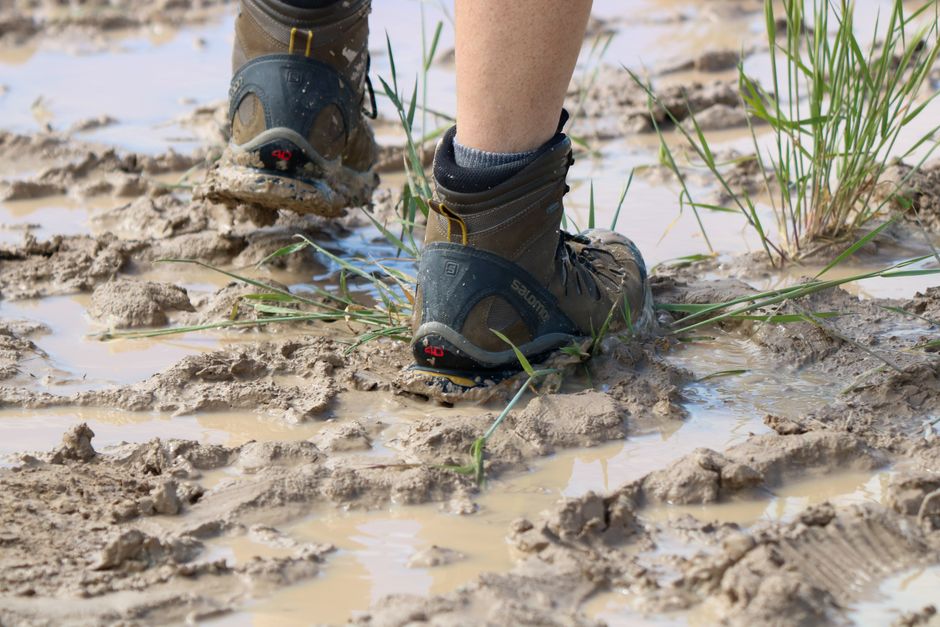
Find the right waterproof hiking boots for UK trails. Learn what matters, compare price tiers, and spot the best deals with our live price tracker.