


Best Waterproof Hiking Boots 2026
A wet foot on a Scottish hillside or a muddy Lake District path isn't just uncomfortable — it's a genuine safety problem. Soaked socks plus a cold wind strip heat from your body fast, and hypothermia creeps in long before you'd expect it. Waterproof hiking boots are the single most important barrier between you and the elements on a UK trail, and they're worth getting right.
The good news is that waterproof hiking boots have never been cheaper or more varied. Across the UK market the whole category runs from roughly £15 to £130, but most sensible buyers land between about £45 and £55 — the band where genuine sealed waterproofing, decent ankle support and soles that survive peat bog all come together. Below £45 you can still find a solid pair for summer day hikes, but that's where the compromises start.
Quick answer: Match the boot to your terrain (fell, moorland or gentle lowland path), prioritise a snug heel-locked fit over a bigger size, and insist on a sealed waterproof membrane rather than water-resistant leather if you walk in wet seasons or carry a heavy pack. Budget boots under £45 suit dry-trail day hikes; mid-range boots at £45–£55 handle most UK conditions year-round; premium boots above £55 earn their keep through durability, insulation and comfort on multi-day or winter trips.
Why waterproofing matters more than you think
A truly waterproof boot has a sealed membrane — usually a breathable layer bonded inside the upper — that keeps water out while letting sweat escape. Leather alone, even well-treated leather, eventually lets water through under pressure, whether that's a heavy pack pushing your foot into wet ground or a knee-deep stream crossing on a Wasdale path. UK weather is relentless, and rain, not snow, is the enemy: it arrives sideways and keeps coming.
The price-to-performance sweet spot
Most hikers find their ideal boot in the mid-range bracket. At £45–£55 you get genuine waterproof membranes, usable ankle support and materials that won't fall apart after twenty walks. Budget boots under £45 are fine for occasional summer day hikes; premium boots above £55 add insulation, heavier-duty soles and long-term durability — worth it if you're out most weekends or tackling winter peaks.
What this guide covers
We've tracked eight highly-rated waterproof hiking boot options across every price tier, all rated between 4.2 and 4.5 stars by UK hikers. Below you'll learn what to look for when choosing, how the price bands compare, and which features matter most for your style of walking. Then our live price widget — further down the page — lets you filter by budget, size and availability and spot the biggest price drops happening right now.
How to Choose Waterproof Hiking Boots: What Actually Matters
Choosing the right boot isn't about brand loyalty or the fanciest name. It's about fit, terrain and honest waterproofing. Get those three right and the rest is detail.
Fit and comfort (non-negotiable)
- Size up by half a size from your street shoe. Your foot swells on a long walk and you need room for thick hiking socks — a boot that's snug in the shop will pinch after eight miles.
- Heel lock is essential. Your heel should not lift when you descend; a slipping heel causes blisters and strains your ankle on steep ground.
- Width matters. Narrow boots are useless if you have a wider foot, so check the fit guide before ordering rather than assuming your usual size will work.
- Break-in time is real. Expect two or three short walks before a new boot feels natural — wear them on local trails first, not a ten-mile fell day.
Waterproofing: membrane versus treatment
A waterproof membrane is the gold standard: a sealed layer that blocks water but breathes, and it should be named in the spec. Water-resistant leather is cheaper but not waterproof — it sheds light rain and slows a downpour, but won't survive a stream crossing or sustained wet. Fine for summer day hikes; risky for UK autumn and winter.
Ankle support and sole
- Ankle collar height: mid-height boots balance support and mobility, while high-cut boots add stability on rough ground but feel restrictive on gentler paths.
- Sole grip: look for deep tread and a sole that flexes naturally — branded rubber compounds are reliable, while cheaper boots often have thinner, slipperier soles.
- Sole stiffness: a stiffer sole spreads pressure on rocky ground and suits heavy packs, while softer soles are lighter and more flexible for day hikes.
Weight and insulation
Lightweight boots under about 500g per boot are ideal for summer fell walking and long-distance trails because they tire your legs less. Insulated boots are worth considering for winter or altitude, though UK winters rarely demand heavy insulation — good socks do most of the work. If you're carrying a lightweight tent and sleeping bag, every gram counts, so check the weight spec before you commit.
Material: leather versus synthetic
Leather — often suede or full-grain — breathes better, moulds to your foot and ages well, needing only occasional conditioning to last years. Synthetic uppers dry faster, cost less and need less maintenance, but don't mould as well and can feel stiff for longer. Hybrid boots with leather uppers and synthetic reinforcement sit in the middle: durability and breathability at a mid-range price.
Traction on UK terrain
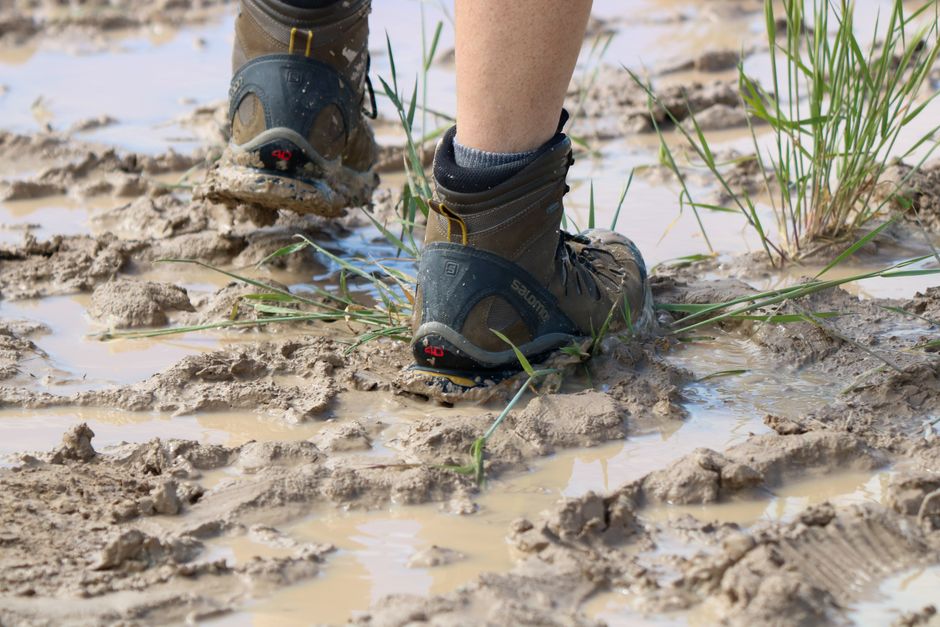
UK trails are muddy, peaty and often wet, so grip matters more than looks. Deep tread designed for mud — not just clean rock — keeps you upright on slippery descents like the boggy approaches to Kinder Scout. If you can, test the sole on wet tarmac before buying.
Fit check: the golden rule
Never buy on size alone, because brands vary wildly. Try boots on where you can; if ordering online, use a retailer with free returns and walk around indoors first. A £50 boot that fits perfectly beats a £100 boot that rubs.
What You Get for Your Money: Budget, Mid-Range & Premium Compared
Waterproof hiking boots span roughly £15 to £130 in the UK, and the tiers below explain where your money actually goes.
Budget: under £45
- Uppers: water-resistant leather or synthetic, not always a sealed membrane.
- Support: basic ankle structure and grip — adequate for gentle paths.
- Weight: often the lightest option, which suits summer day hikes.
- Insulation: minimal, fine for summer and mild autumn.
- Durability: thinner soles that wear faster, typically two to three seasons.
Waterproof Hiking Boots
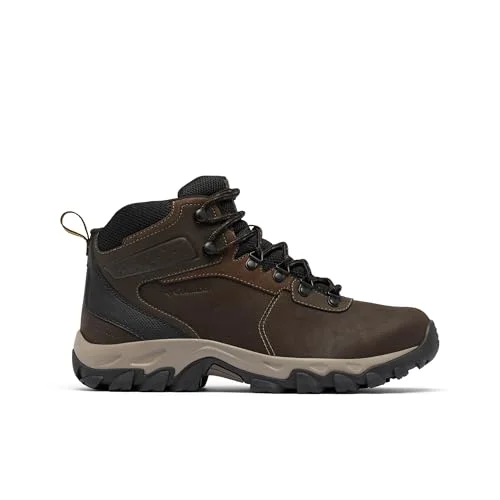
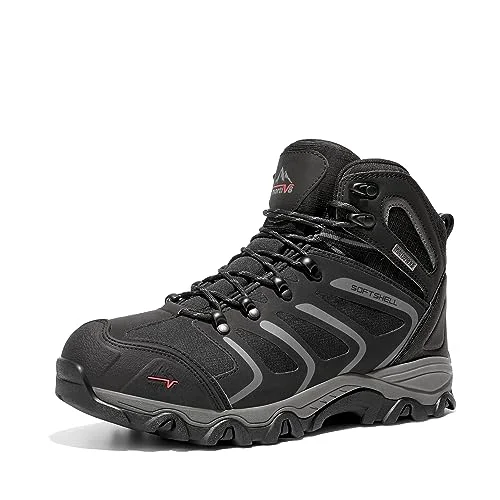
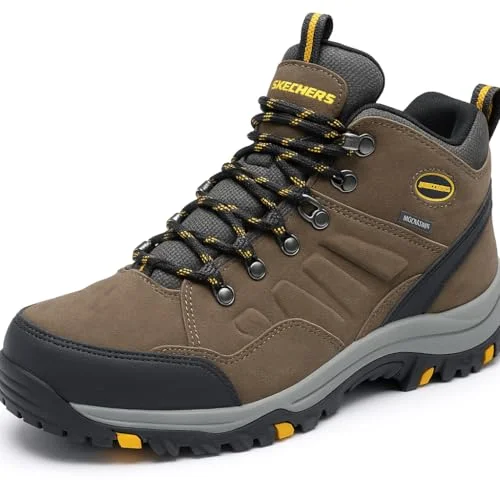
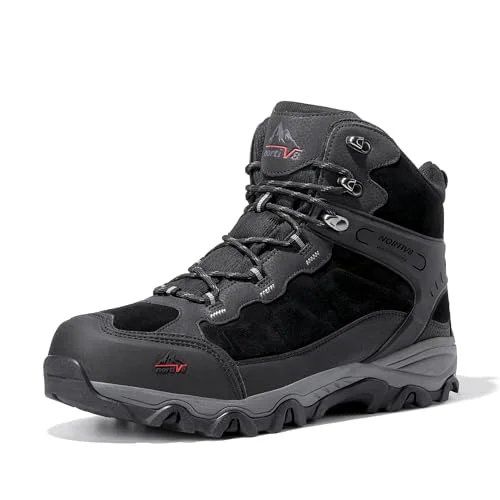
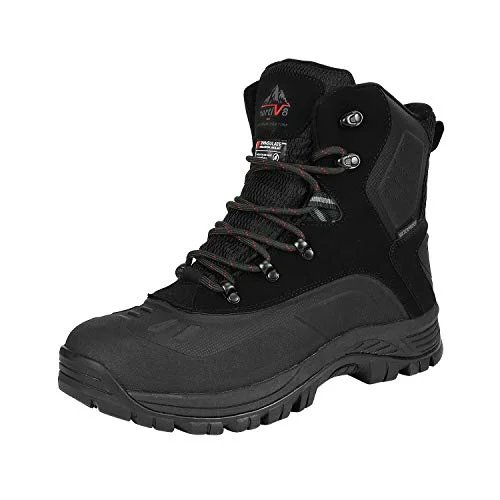
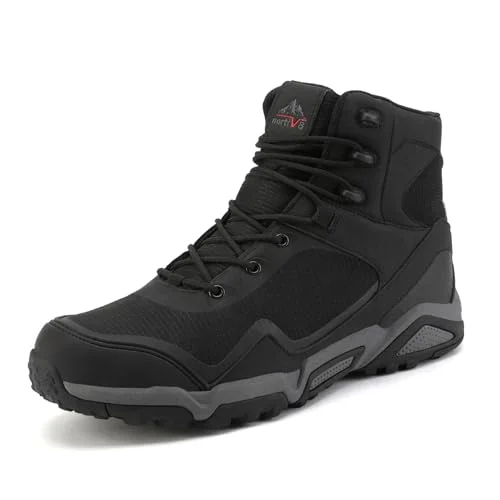
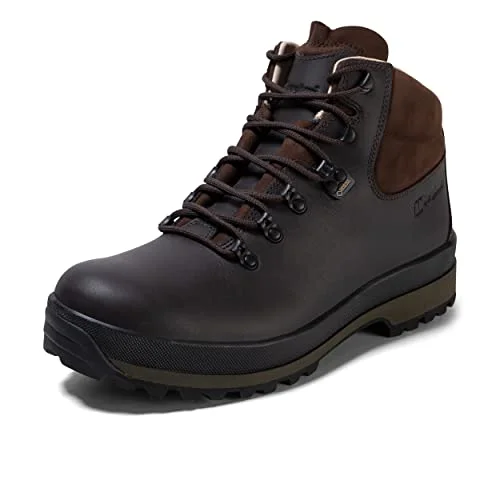
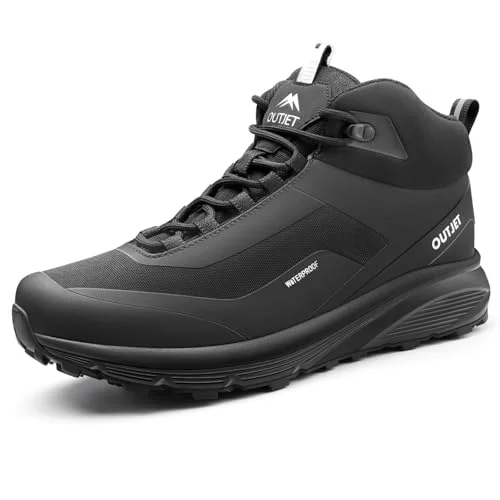
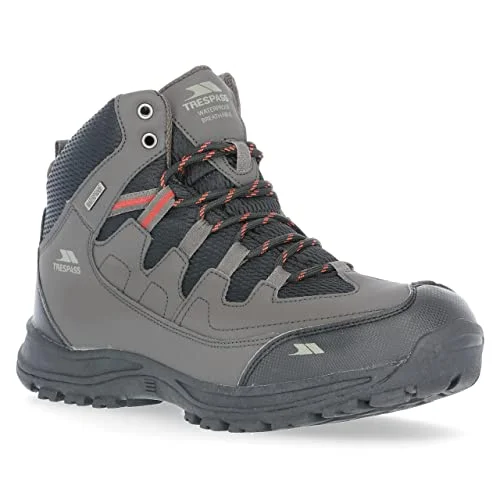
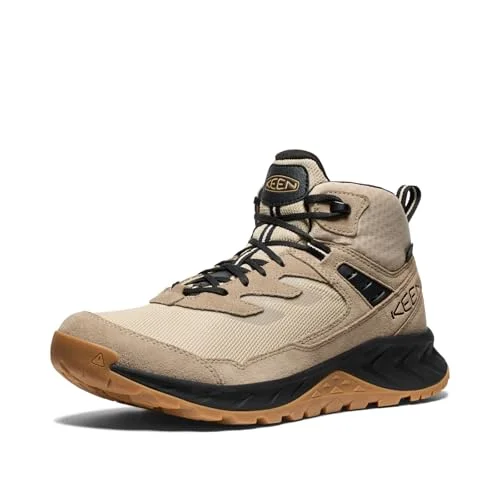
Best for: occasional day hikes on dry or lightly wet trails, summer walking and budget-conscious beginners. Trade-off: waterproofing is often water-resistant rather than truly waterproof, and comfort on long or rough walks is less refined. A budget boot works brilliantly for a sunny Lake District afternoon but struggles with sustained rain, bog or a heavy pack.
Mid-range: £45–£55
- Waterproofing: genuine sealed membrane, the real deal.
- Support: solid ankle structure and dependable tread.
- Comfort: better insulation and cushioning, refined fit after break-in.
- Materials: a sensible balance of durability and weight.
Best for: regular UK hikers out weekly or fortnightly, mixed seasons, day hikes and light backpacking across most terrain. There are no significant trade-offs here — this is the sweet spot, and a mid-range boot will handle a rainy Scottish weekend, a muddy Pennine walk and a winter day on the fells, lasting four to five seasons with care.
Premium: above £55
- Construction: top-tier membranes and sealed build quality.
- Soles: heavier-duty rubber that lasts longer and grips better.
- Insulation: better warmth for winter and high-altitude walking.
- Longevity: six to ten-plus seasons, sometimes with repair services.
Best for: serious hikers out year-round, winter walking, multi-day backpacking and anyone who wants boots to last a decade. The trade-off is upfront cost — you're often paying for durability and brand heritage rather than a dramatically better single walk.
Tier comparison at a glance
| Factor | Budget (under £45) | Mid-range (£45–£55) | Premium (above £55) |
|---|---|---|---|
| Waterproof membrane | Often water-resistant only | Yes, sealed | Yes, premium grade |
| Durability (seasons) | 2–3 | 4–5 | 6–10+ |
| Ankle support | Basic | Good | Excellent |
| Insulation | Minimal | Moderate | Optional or premium |
| Best use case | Summer day hikes | Year-round UK hiking | Winter and serious use |
If you're a regular UK hiker, mid-range boots are the rational choice: waterproof, durable and comfortable without the premium tag. Budget boots suit occasional use; premium boots earn their price through longevity and winter performance, not one better walk.
Our Top Picks: How to Find the Best Deals Right Now
We track eight highly-rated waterproof hiking boot options across all price tiers, every one rated 4.2–4.5 stars by UK hikers who've worn them on British trails. Rather than name specific models — prices change daily — here's how to filter the live widget to find your ideal boot and spot the biggest drops.
Filter by your budget tier
- Under £45: water-resistant leather or synthetic boots for summer day hikes and occasional walking — check sole grip and heel lock carefully, because cheaper boots sometimes skimp there.
- £45–£55: where most of our tracked options sit, and the first filter to try if you're a regular hiker — genuine membranes and solid durability live here.
- Above £55: premium options with advanced materials, insulation and heritage build, worth it if you're out most weekends or tackling winter peaks.
Filter by key features
- Waterproof membrane: tick this if you hike autumn through spring — it's non-negotiable for UK weather.
- Ankle height: mid-height is most versatile; high-cut adds stability on rough terrain but restricts gentle paths.
- Weight: backpackers and long-distance walkers should prioritise lighter boots, while day hikers can relax about it.
- Insulation: only necessary for winter or high-altitude walking — most UK day hikes don't need it.
- Material: leather breathes and ages well, synthetic dries faster, hybrids balance both.
Spot the price drops
Our widget updates daily, so look for boots that have recently fallen in price — often end-of-season stock or promotional offers. A mid-range boot that's dropped from the top of its band to the bottom is exceptional value, and drops tend to cluster around late autumn and the end of the festival season.
What to check before you buy
- Read the fit notes: brands vary in sizing, so size up if a boot runs small.
- Check the return policy: buy from a retailer that lets you try boots indoors and return them within 14–30 days.
- Look at the sole: deep tread and a branded rubber compound are worth paying for.
- Verify the membrane: a named sealed waterproof layer is the standard to hold out for.
Scroll down to see all eight tracked options sorted by price, rating and availability. Use the filters above to narrow down, then compare — and if you see a boot you like, check back in a few days, because drops happen weekly.
Styling, Placement & FAQs
Waterproof hiking boots: beyond the trail
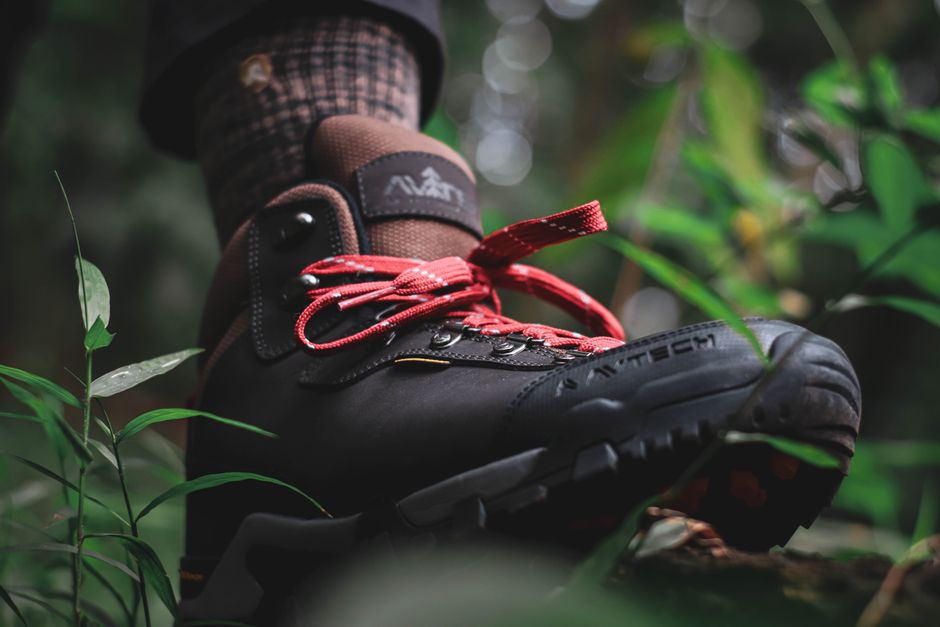
A good pair of waterproof hiking boots isn't just for the fells. UK hikers wear them on muddy dog walks, at outdoor festivals and on rainy commutes. Brown or neutral-toned boots blend into casual outfits and look honest rather than styled; pair them with jeans or hiking trousers and you've got a look that says you actually go outside. The best boots are the ones you'll actually wear — if they sit in the cupboard, they're a waste of money.
Frequently asked questions
How long do waterproof hiking boots last? Budget boots give two to three seasons, mid-range four to five, premium six to ten-plus with proper care. That means drying them slowly after each walk, conditioning leather occasionally and replacing worn insoles — a good boot can outlast three pairs of cheaper ones.
Do I need to break in new boots? Yes. Expect two or three walks before they feel natural, starting on short local trails. If they're still painful after five walks, they don't fit — return them. A boot should never hurt; discomfort is a sign of poor fit, not character-building.
Can I use hiking boots for winter walking? Most UK hiking boots aren't insulated. They'll keep your feet dry in winter rain, which is what matters most, but won't add warmth. For snow or high altitude, look for insulated boots or wear thicker socks; for typical UK winter walks, a standard waterproof boot plus good socks is enough.
What's the difference between hiking boots and walking shoes? Boots offer ankle support, deeper tread and a stiffer sole — all crucial on rough, wet or steep terrain. Walking shoes are lighter and more flexible, ideal for easy paths and urban use. For UK trails with mud, rock and unpredictable ground, boots are worth the extra weight.
Should I buy online or in a shop? Try boots on in a shop if you can, because fit is personal and varies by brand. Online is fine with free returns and a good fit guide — many UK hikers order online and return what doesn't fit, and that's a normal part of the process.
Final word
Waterproof hiking boots are the foundation of every UK walk. Buy a pair that fits well and matches your terrain, and your feet — and your confidence on the trail — will thank you. Use the live price tracker below to find the best deal, and get out there.
Our editors research and test clothes and shoes, then track live UK prices so our recommendations stay accurate. We only link to real retailers and update guides as prices and products change.
Keep reading
Expert guide to choosing hiking footwear for UK terrain. Learn what matters, avoid costly mistakes, and find your perfect fit.