Choosing backpacking gear for UK trips is not about buying the lightest or the most expensive kit. It is about matching what you carry to relentless wind, sudden rain, and the reality of wild camping on moorland or beside a Highland loch. Most backpackers here spend somewhere between £250 and £900 building a working three-season setup, and the difference between a good trip and a miserable one rarely comes down to the price tag.
British weather changes hourly. A tent rated for three seasons must handle horizontal rain and gusts that flatten a poorly pitched shelter. Your sleeping bag needs warmth for damp nights, not just cold ones. Layers work better than one thick jacket because you will shed and add them constantly through the day.
Why UK terrain rewrites the rulebook
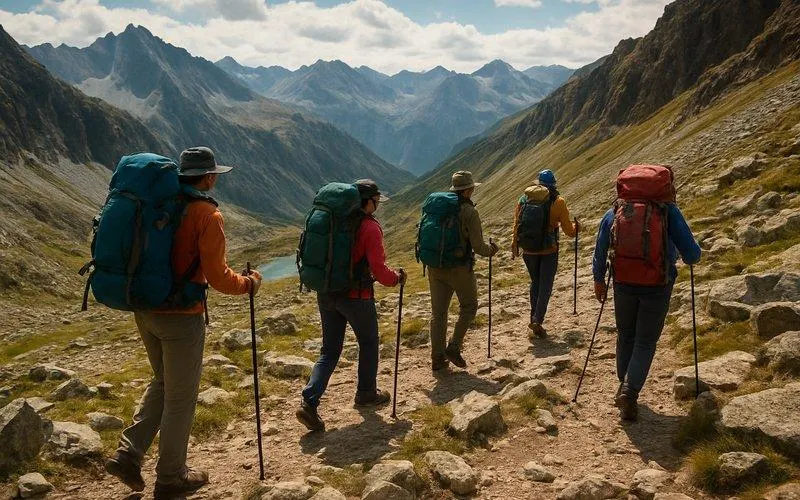
The Lake District, the Scottish Highlands, Snowdonia and the Pennines are not alpine — they are wet and exposed. That shapes every choice. Pack weight matters because you will carry it over boggy terrain and steep ascents, but waterproofing and breathability matter more than the ultralight specs you read on a gear forum. A rucksack in the 45–55 litre range works for most UK trips, but it must sit comfortably for six to eight hours, not just look compact in a shop.
Take the Fairfield Horseshoe above Ambleside. It is barely 10 miles, yet you can start in sunshine, cross a hail shower on the ridge, and finish in low cloud. Kit that copes with three weather systems in a day is worth more than kit that saves 300 g.
Where most UK backpackers go wrong
- Overloading with "just in case" items. Extra layers, gadgets and surplus food add up to a pack that fights you by mile three.
- Buying on summer specs. A tent or bag chosen for a warm July weekend will leave you shivering in April or October.
- Fitting a rucksack in a shop, not on a hill. A pack that feels fine on the shop floor can ride badly once it is loaded and climbing.
- Ignoring pack weight until it is too late. Most people only notice their base weight when they are three miles in and exhausted.
This guide cuts through that. You will learn to judge the five core categories — rucksack, tent, sleeping bag, layers and footwear — by how they perform on UK terrain and in UK weather, not by price tag or Instagram hype.
Quick win: Before you buy anything, plan a real trip — distance, season, terrain — because gear choices flow from that, not the other way around. A winter Pennine ridge walk needs very different kit from a summer Lake District valley camp. Start there.
The Five Fundamentals: How to Start
Choosing backpacking gear works best as a system. Each piece supports the others, and a weakness in one undermines the rest. Here is how to build it, category by category.
1. Start with rucksack capacity and fit, not brand
Your rucksack is your foundation. Size it to your trip length and terrain, not your budget. A 45–55 litre pack suits most UK trips of two to four nights; anything smaller and you will compromise on shelter or layers, anything larger and you will overstuff it. Expect to pay £80–£200 for a solid mid-range pack, and more for lightweight fabrics.
Fit matters more than capacity. The pack must sit on your hips, not your shoulders. Measure your torso length — base of neck to hip bone — and match it to the pack's back length. Load a pack with 8–10 kg in the shop and walk around for ten minutes. If it pulls you backward or digs into your shoulders, it is wrong, however good the reviews.
2. Choose a tent by season and pitch footprint
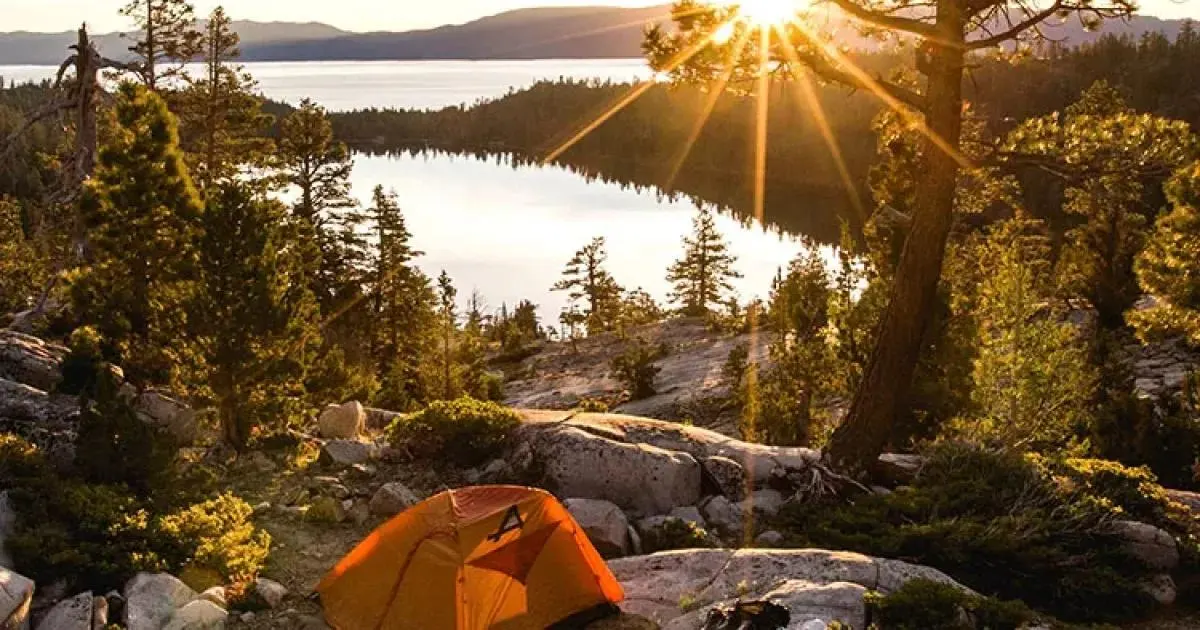
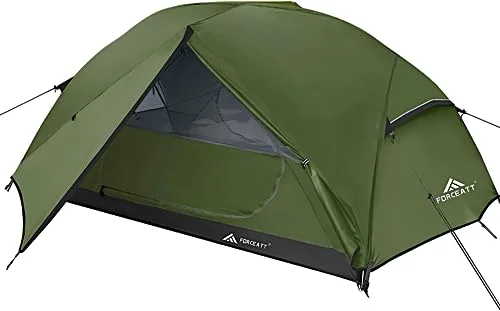
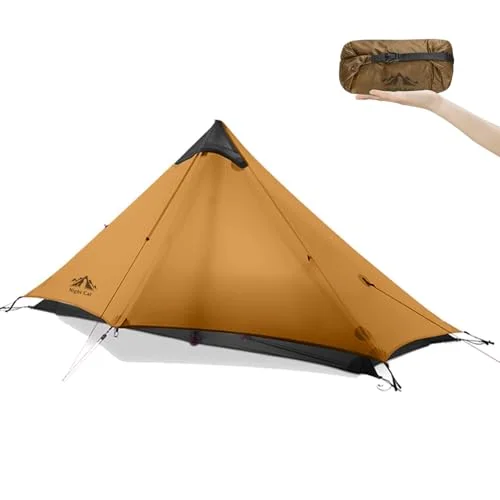
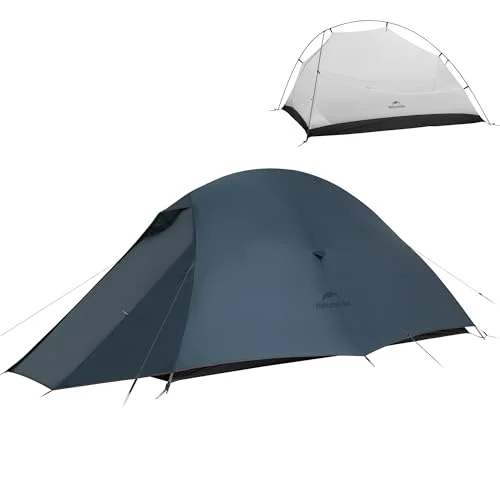
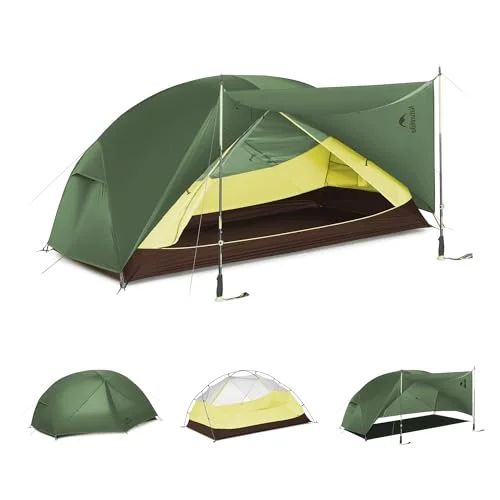
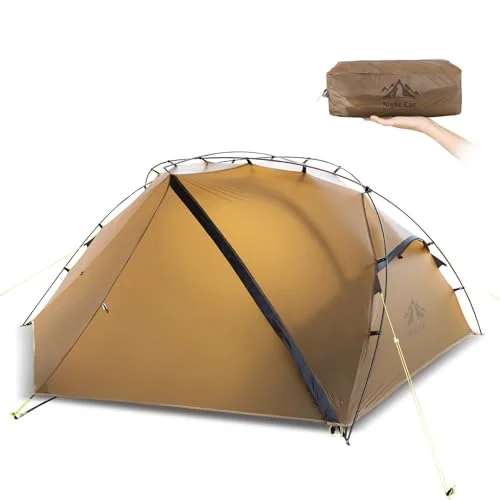
UK backpacking tents are three-season (spring through autumn) or four-season (winter or exposed ridges). Most backpackers need three-season. Check the pitch footprint — how much ground it needs — because Scottish bothies and Lake District campsites vary wildly in space. A geodesic dome handles wind better than a tunnel, but tunnels pack smaller. Aim for under 2 kg for a two-person tent, and budget £150–£450 depending on materials and weight.
Test the ventilation, because condensation kills comfort on damp UK nights, and check flysheet coverage — rain drives sideways here, not down. A tent with a skimpy fly and poor mesh will stream with moisture by morning.
3. Match your sleeping bag to season, not just temperature
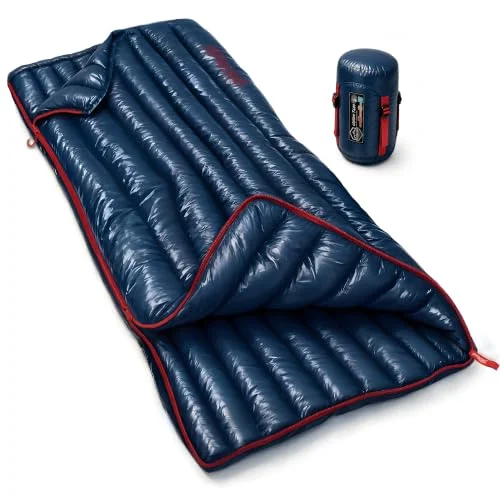
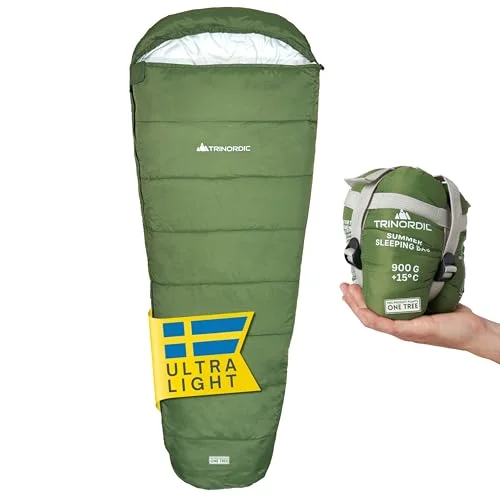
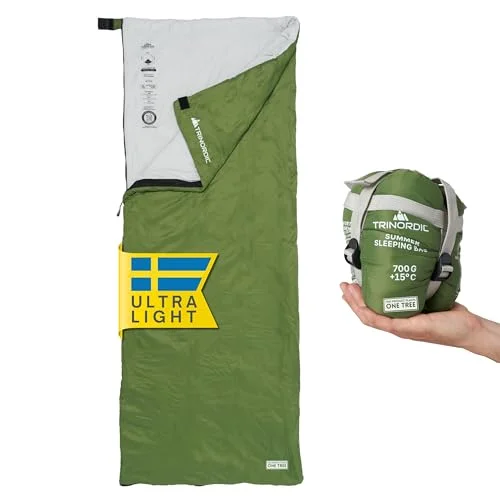
A summer bag rated to 10°C comfort will not work in April or September in the Highlands. Buy a three-season bag with a comfort rating of 5°C or lower. Down fills are lighter and compress better; synthetic fills are cheaper and stay warm when damp, which matters in the UK. A 750–850 fill-power down bag or a quality synthetic equivalent will serve 90% of UK trips. Weight should land between 800 g and 1,200 g, and prices run from about £90 for synthetic to £350 for good down.
4. Layer, don't bulk
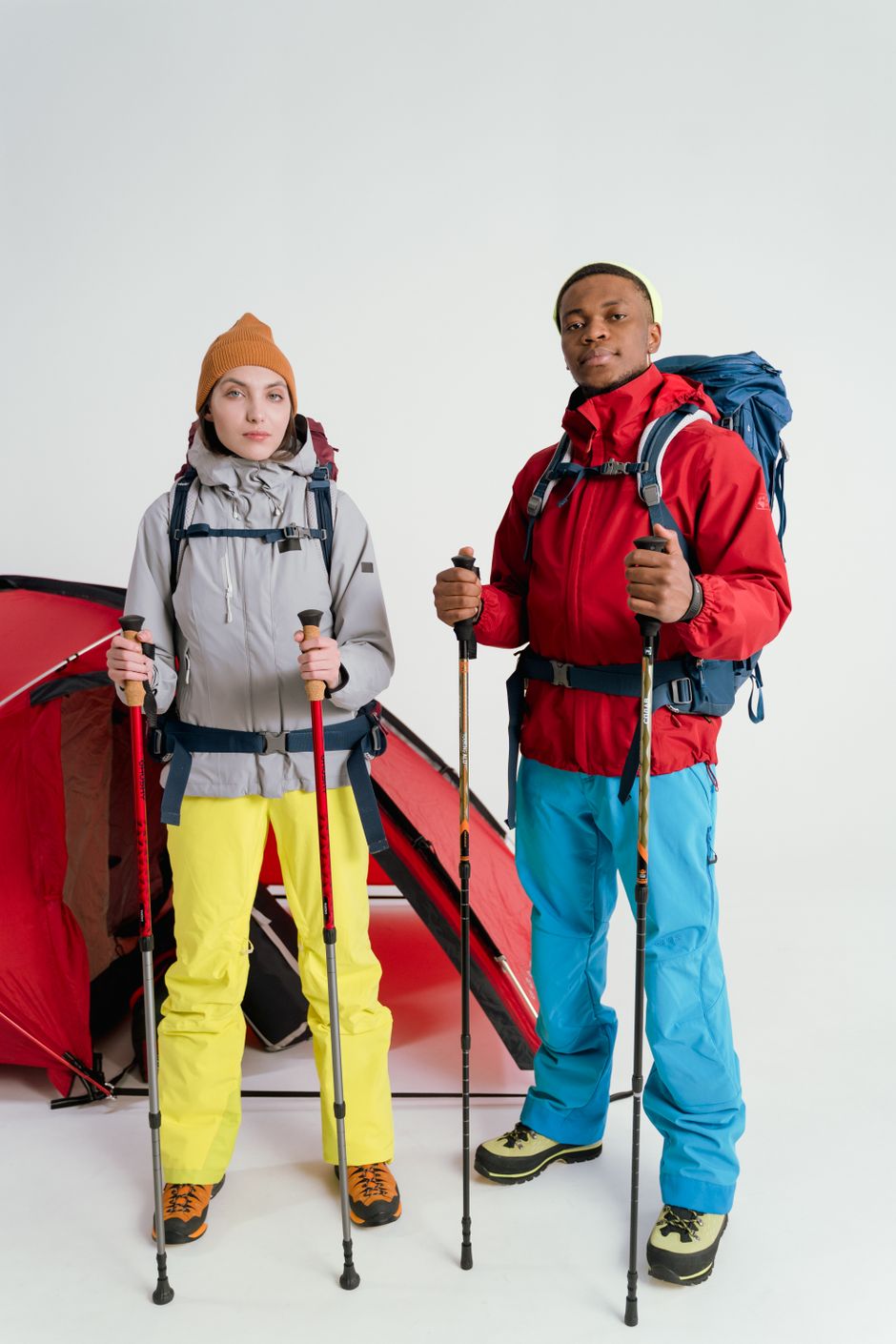
Three layers work: a moisture-wicking base (merino or synthetic), an insulating mid-layer (fleece or lightweight down), and a windproof-breathable shell. Do not pack a heavy winter coat for a summer trip; pack an extra base layer instead. You will use it more and it packs smaller. A full layering system typically costs £120–£400.
5. Footwear: boots or trail shoes?
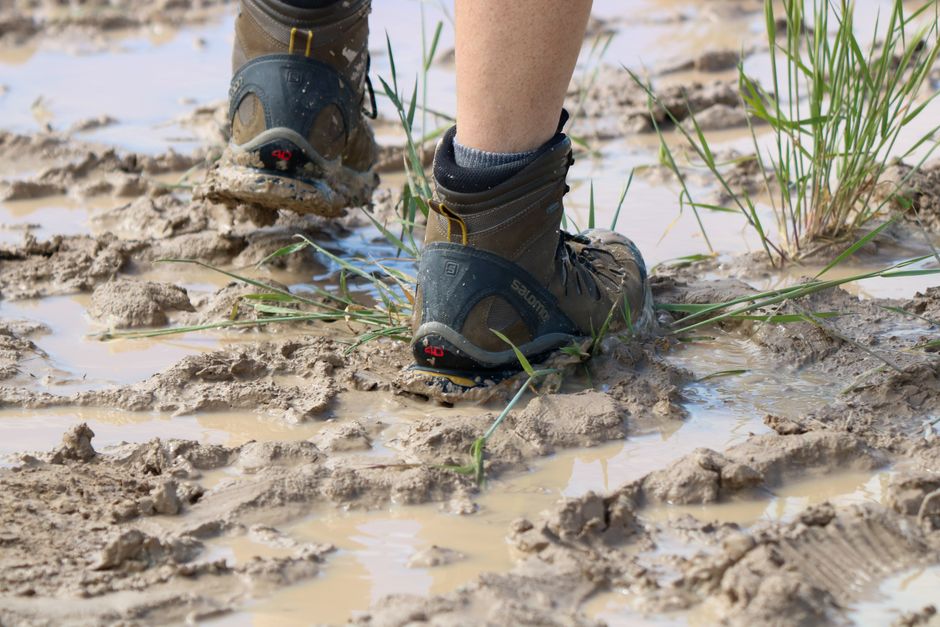
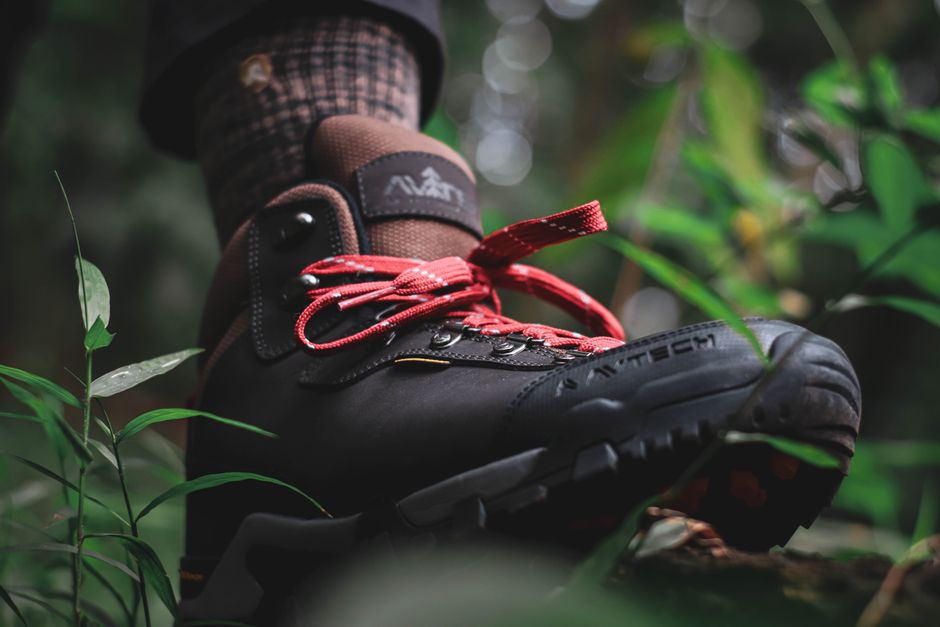
Boots give ankle support and durability on rocky, wet terrain; trail shoes are lighter and faster on good paths. For UK backpacking, a mid-weight hiking boot of 600–800 g per shoe handles moorland and stream crossings better than shoes. Waterproofing is essential, so test it before you leave. Bring a lightweight camp shoe of 100–150 g to rest your feet at night. Budget £90–£220 for boots.
Tier comparison at a glance
| Tier | Typical spend | What you get | Best for |
|---|
| Value | £250–£450 | Heavier synthetic fills, basic three-season tent, entry-level pack | First trips, fair-weather weekends, festival camping |
| Mid-range | £450–£700 | Lighter pack, better ventilation, down or quality synthetic bag | Regular UK three-season backpacking |
| Premium | £700–£900+ | Sub-1.5 kg tents, high fill-power down, refined harnesses | Frequent trips, long-distance routes, winter use |
Practical Steps to Get It Right
Step 1: Plan your trip first, then buy gear
Decide your route, season and expected nights out. A two-night Pennine Way section in June needs different kit from a four-night Scottish winter trip. Write down the specifics: altitude (exposed ridges need stronger wind resistance), expected low temperature, how wet the forecast looks, and terrain — boggy moorland versus rocky paths. That list drives every gear choice that follows.
Step 2: Weigh everything and set a pack-weight target
UK backpacking trips are rarely more than four or five nights, so your loaded pack should sit at 12–16 kg including water and food. Weigh each item as you buy it. Rucksack, tent, sleeping bag and layers should total 4–5 kg; food, water, stove and first aid fill the rest. If you are over 16 kg before food, something is wrong — usually the rucksack or the sleeping bag.
Step 3: Test your kit on a short trip before a long one
A weekend in the Pennines or the Lake District reveals what actually works. You will discover whether your tent ventilates, your bag is warm enough, your rucksack chafes and your layers are right. Fix problems before a week-long expedition. Bring a notebook and write down what you would change.
Step 4: Prioritise waterproofing and breathability over weight
UK weather is relentless. A tent that leaks, a bag that gets damp or a shell that does not breathe will ruin a trip faster than carrying an extra 500 g. Check flysheet seams, sleeping bag water resistance and shell fabric breathability ratings — not just the word "waterproof". Damp gear is heavy and cold.
Step 5: Build redundancy into your kit
Carry a spare base layer, an emergency bivvy bag under 100 g, and a repair kit of tape, patches and cord. UK weather changes fast, and redundancy keeps you safe. A failed zip or a torn flysheet can be managed if you have planned for it.
Step 6: Buy from retailers who understand UK terrain
Look for gear tested on British hills, not just in marketing labs. Reviews from UK backpackers matter more than brand reputation. Our picks on this page reflect real UK use, not just spec sheets.
Common Mistakes & How to Avoid Them
- Choosing a rucksack by volume alone. A 60-litre pack looks impressive but will destroy your hips on day two if it does not fit your torso. Fit beats capacity every time.
- Buying a summer sleeping bag for year-round use. You will be cold in April and October. A three-season bag with a 5°C comfort rating is the UK standard, so do not compromise here.
- Underestimating condensation. A tent with a tiny fly or poor mesh coverage will stream with moisture on damp mornings. Check ventilation design before you buy, and crack the door open at night even in rain.
- Packing for every weather possibility. You will carry items you never use. Plan for the forecast, then add one emergency layer and resist "just in case".
- Ignoring break-in time for boots. New boots on a multi-day trip guarantee blisters. Wear them on two or three short walks first.
- Choosing ultralight gear without experience. Ultralight kits demand skill: precise packing, careful camp placement and judgement about when to push on and when to retreat. Start with standard-weight, proven gear.
- Buying a tent without checking the pitch footprint. A tent that is technically small might still need a 2.5 m × 1.5 m flat patch. UK campsites and wild spots are rarely that generous.
- Neglecting pack weight distribution. Heavy items such as stove, fuel and water belong low and central. Sleeping bag goes at the bottom; layers and first aid go at the top. Poor packing kills your knees and back.
One more worth adding to the list: buying everything at once. Build your system over two or three trips, replacing the weakest link each time. It is cheaper and you learn what you actually need.
Finishing Touches & Your Questions Answered
What is the best fabric for a backpacking rucksack?
Durable nylon or polyester in the 500D–1000D denier range resists tearing on rocky terrain and heather. Lighter fabrics save weight but tear easily. For UK backpacking, durability beats ultralight. Look for reinforced base panels and seams.
Should I buy a four-season tent for UK winter trips?
Only if you camp above 600 m regularly or in Scottish winter conditions. A three-season tent with a good inner and careful site selection works for most UK winter trips. Four-season tents are heavier and more expensive, so start with three-season.
How often should I replace my sleeping bag?
Every five to ten years, depending on use and care. Down bags lose loft over time; synthetic bags compress. If you are cold in a bag that used to be warm, it is time to replace it. Store it loose, never compressed, to extend its life.
What is the ideal pack weight for UK backpacking?
12–16 kg loaded, including food and water, for most people. Lighter is better if you can manage it, but comfort and safety matter more than hitting a number. A 16 kg pack on a four-night trip is fine; a 20 kg pack will exhaust you.
Do I need a stove, or can I cook on a fire?
Carry a stove. Open fires are banned or discouraged on most UK moorland, in many forests and on nearly all campsites, and wet wood rarely burns well anyway. A small gas or alcohol stove weighs little and gives you a hot drink when you need it most.
Gear is a system. Your rucksack, tent, sleeping bag, layers and boots work together, and a brilliant tent will not save you if your sleeping bag is wrong. Test the system on short trips, refine it, then trust it. UK backpacking rewards preparation and honest assessment of what works for you, not for Instagram. Start simple, learn on real hills, and upgrade as you discover what you actually need.