



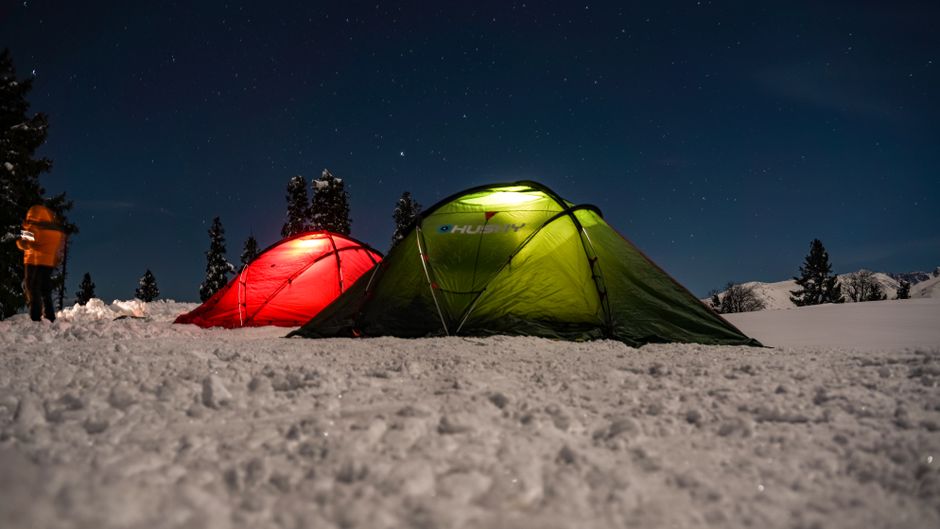
Tents
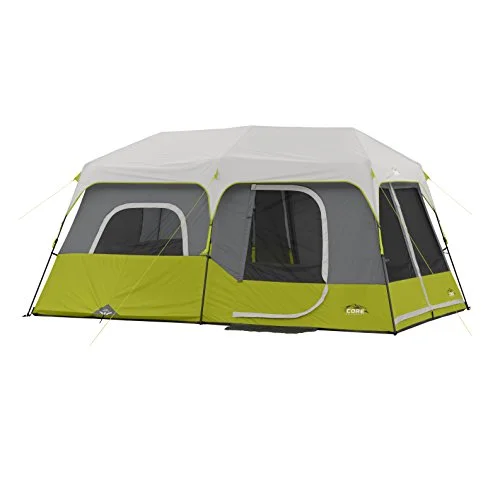
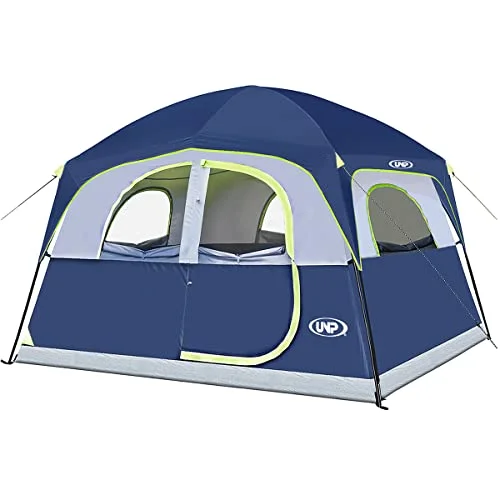
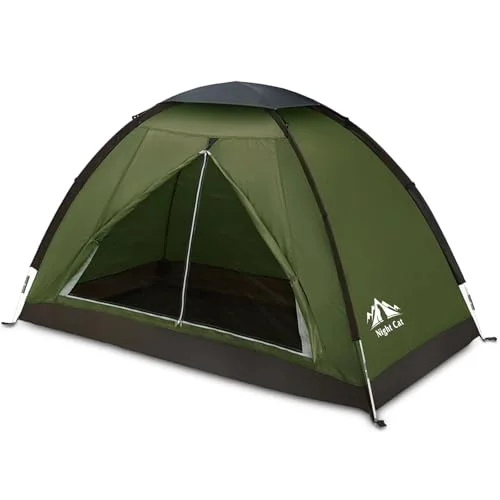
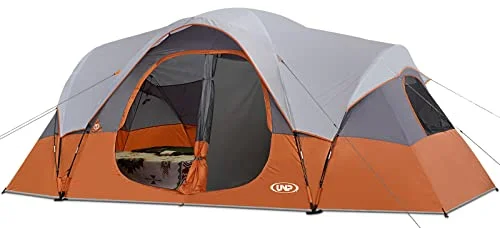
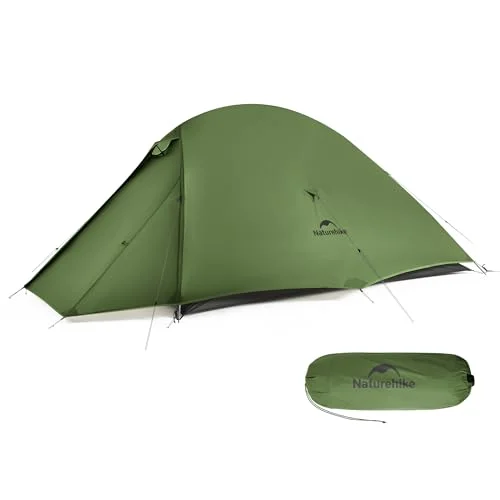
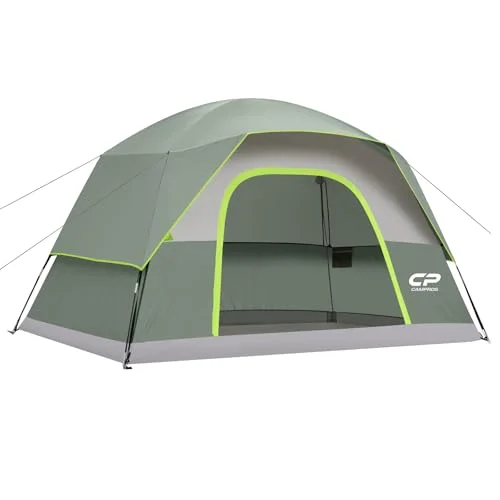
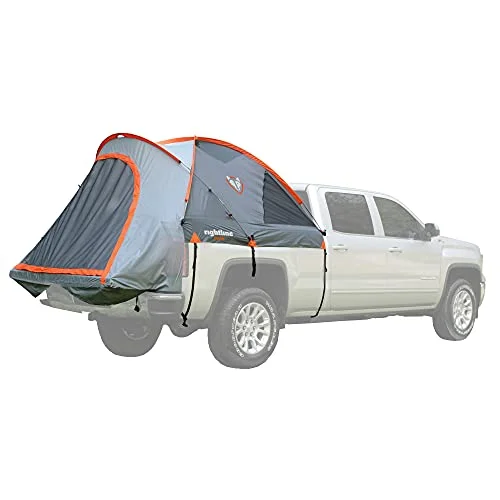
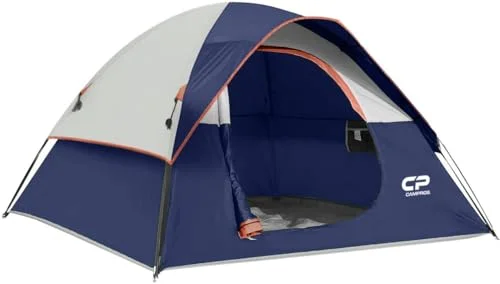
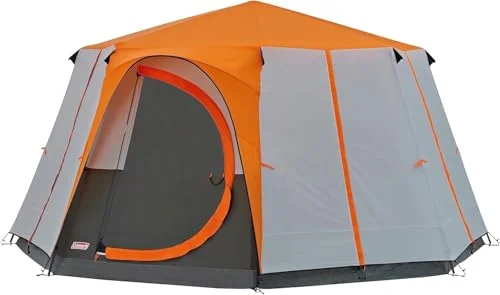
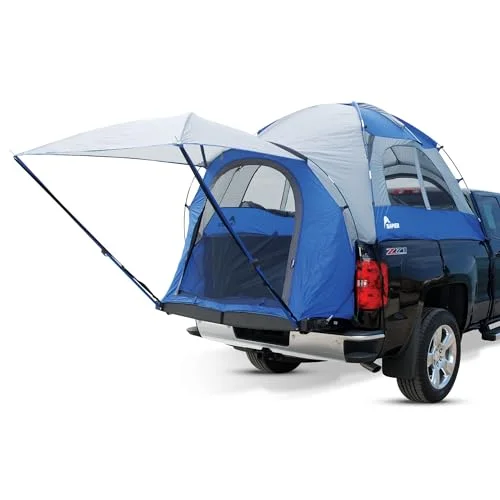
This is where most experienced UK campers shop. You get genuine durability, proper waterproofing and features that make multi-night trips comfortable.
- Shelter: Reliable three-season design, two to four person options.
- Waterproofing: Hydrostatic head of 3,500–5,000 mm across flysheet and groundsheet, with sealed seams throughout.
- Ventilation: Multiple vents, mesh panels and a porch or vestibule.
- Weight: Moderate — 2–3.5 kg for a three-person, acceptable for car camping and light backpacking.
- Design: Freestanding or semi-freestanding, easier to pitch.
- Details: Interior pockets, colour-coded poles and better instructions.
The advantage is proven performance in UK weather, five-plus seasons with care, and enough comfort for couples or small families on regular trips.
Premium Tents (above around £240)
Premium tents are built for demanding conditions, extended use or ultralight backpacking. Materials and engineering are a step up.
- Shelter: Advanced three-season or four-season options, two to four person.
- Waterproofing: 5,000 mm and above, fully sealed seams, premium fabrics such as ripstop nylon or high-denier polyester.
- Ventilation: Exceptional systems; condensation rarely an issue.
- Weight: Ultralight options around 1–2 kg for solo tents, or expedition-grade reinforcement where strength matters more.
- Design: Freestanding, often with multiple entry points and intuitive colour-coded setup.
- Extras: Footprint, repair kit and storage bag often included, plus warranty and customer support.
The advantage is a tent built to last ten-plus years, performing in extreme weather and often lighter without sacrificing durability. It's worth the investment if you camp regularly or in challenging conditions.
| Feature | Budget | Mid-Range | Premium |
|---|---|---|---|
| Flysheet waterproofing | 2,000–3,000 mm | 3,500–5,000 mm | 5,000 mm+ |
| Sealed seams | Partial or none | Full | Full |
| Ventilation | Basic | Good, with porch | Excellent, multiple vents |
| Weight (3-person) | 2–2.5 kg | 2.5–3.5 kg | 1.5–2.5 kg ultralight, or heavier expedition |
| Lifespan | 2–3 seasons | 5+ seasons | 10+ seasons |
| Best for | First-timers, festivals | Regular UK camping | Serious backpackers, winter camping |
Our Top Picks: How to Use the Live Widget
Our live widget displays eight highly rated camping tents (4.6–5 stars) tracked across budget, mid-range and premium tiers. Prices update daily, and specs and reviews stay current. Here's how to navigate it and filter for your needs.
The widget shows real products with live prices from UK retailers. Click any tent to see full specs, customer reviews and a direct link to buy. Prices change frequently, so the widget always reflects the latest. This guide teaches you how to choose; the widget shows you what's available now.
Filter by Your Priority
- Sleeping capacity: Start here — solo, two-person, three-person or family (four-plus).
- Weight: If backpacking, filter for tents under 2 kg (solo) or 3 kg (three-person). Car camping? Ignore weight.
- Season rating: Three-season for spring to autumn; four-season for winter or high altitude.
- Freestanding: Easier on hard ground or gravel at festivals and campsites; non-freestanding is fine on soft wild-camping ground.
- Price band: Use the budget, mid-range and premium tiers above to narrow your search.
What to Look for in Reviews
Read reviews from UK campers specifically. Look for comments on condensation in damp weather (a common complaint that good ventilation solves), waterproofing in heavy rain, setup time, durability after multiple seasons, and whether the advertised weight matches reality — some budget tents weigh more than claimed.
Red Flags
- Low hydrostatic head: Below 3,000 mm is risky in UK rain.
- No mention of sealed seams: A sign the manufacturer is cutting corners.
- Repeated leak or condensation complaints: Patterns in reviews matter more than single bad experiences.
- Suspiciously light at a budget price: Often means thin fabric and poor durability.
If you're new to camping or budget-conscious, start in the mid-range tier (£130–£240). You'll get a tent that handles UK weather reliably, lasts several seasons, and doesn't force a compromise on comfort or safety. If you camp frequently or in winter, invest in premium. If you're testing the hobby or only pitch a few times a year, budget is fine — just accept the trade-offs. Use the widget to compare current options, read reviews from real UK campers, and check live prices before you commit.
Pitching, Placement and Common Questions
Choosing the right spot is as important as choosing the right tent. On a campsite you'll have a marked pitch, so follow the rules. Wild camping — legal in Scotland, restricted elsewhere in the UK — demands more care and, in practice, a quiet word with the landowner where required.
- Ground: Level, well-drained and free of stones. Avoid hollows where water pools and exposed ridges where wind funnels.
- Orientation: Face the entrance away from the prevailing wind (usually south-west in the UK). Morning sun on the entrance helps dry condensation.
- Shelter: Trees and natural windbreaks reduce buffeting, but avoid dead branches overhead.
- Distance from water: Camp at least 10 m from streams or lakes to protect water sources and avoid insects.
- Footprint: Use a groundsheet or footprint under your tent to protect the floor and improve insulation.
Frequently Asked Questions
Will my tent stay dry in a UK thunderstorm? Yes, if it has a hydrostatic head of 3,000 mm or more on the flysheet and 5,000 mm on the groundsheet, with sealed seams. Condensation inside is more common than leaks, and good ventilation prevents it. Never touch the tent wall during rain — water can seep through the fabric where you press against it.
How much does a camping tent weigh, and does it matter? Budget tents run 1.5–2.5 kg, mid-range 2–3.5 kg, and premium ultralight 1–2 kg. Weight matters if you're backpacking, because every 500 g adds up over a day's walk. Car camping? Ignore it — a heavier, more durable tent beats a flimsy ultralight one you'll replace in a year.
Can I use a three-season tent in winter? Not safely. Three-season tents lack the reinforcement and full flysheet coverage needed for snow load or extreme wind. A four-season tent is essential for winter camping or high-altitude expeditions in Scotland, and the investment is worth it if you plan to camp year-round.
What's the difference between a dome and a tunnel tent? Dome tents are freestanding, easy to pitch and stable in wind. Tunnel tents are lighter and offer more interior space but need guy lines for stability. Both work in UK conditions; choose based on weight, space and your camping style.
How do I stop condensation? Ventilate: open vents at head and foot, crack the door slightly at night, and wipe the inside of the flysheet in the morning. Use a sleeping mat to reduce ground moisture, avoid cooking inside, and pick a tent with a porch and multiple vents — your best defence against damp.
A good camping tent turns UK weather from a threat into part of the adventure. Understand what matters, check the live widget for current options and prices, and pitch with confidence.
Keep reading

Master backpacking gear selection for UK camping & hiking. Learn weight, weather, and pack essentials for Lake District to Scottish Highlands.
Find the right waterproof hiking boots for UK trails. Learn what matters, compare price tiers, and spot the best deals with our live price tracker.
Expert guide to choosing hiking footwear for UK terrain. Learn what matters, avoid costly mistakes, and find your perfect fit.