


How to Choose Hiking Footwear: UK Buyer's Guide
Hiking Footwear
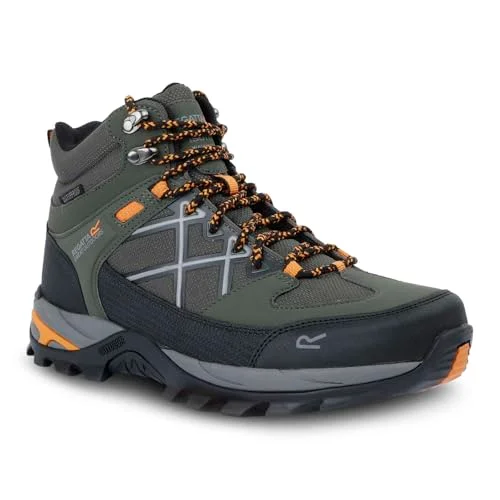
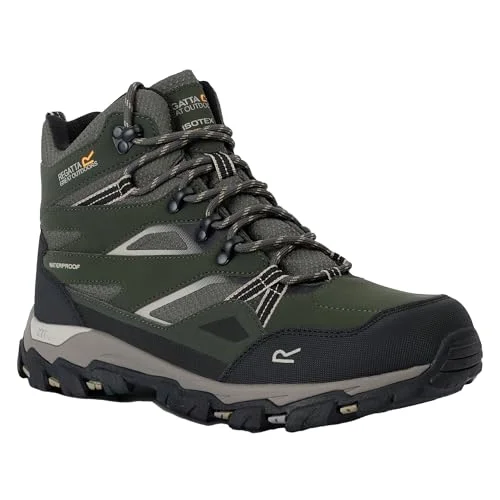
Waterproof models use a breathable membrane — a thin layer that lets vapour out and keeps rain in check. Cheaper boots use generic linings; premium ones use branded membranes with better performance. All of them eventually fail, usually after 12–18 months of hard use, because the membrane clogs with dirt and body oils. Budget on re-waterproofing with a spray treatment each season if you walk regularly. Non-waterproof boots simply drain; your feet get wet, dry quickly, and you stay comfortable.
Soles: grip, flex and durability
The sole is rubber with a tread pattern. Deeper treads grip rock and mud better but wear faster. Stiff soles support heavy loads but feel clumsy on easy ground; flexible soles feel natural but offer less support on the rough stuff. Look for a heel brake — a raised edge at the back that bites when you're descending steeply. It's a small detail that makes a real difference on a wet Lakeland descent.
Insulation
Winter boots often carry synthetic insulation to trap warmth; summer boots carry none. Insulation adds weight and bulk, so if you don't walk in winter you don't need it — and if you do, it's worth the trade.
Sizing: the most common mistake
Hiking footwear should leave roughly a thumb's width — about a centimetre — between your longest toe and the end of the boot, so your foot can slide forward on descents without jamming your toes. Always try boots with the socks you'll actually walk in, not thin cotton. Sizing varies wildly between makers: a 9 in one brand can be a 9.5 in another. Ignore the label and trust how it feels.
Budget Bands: What You Get at Each Price Point
Hiking footwear is tracked in three broad bands. Each offers genuine value, but they're built for different walkers and different jobs.
Budget: up to around £45
Entry-level footwear at this price is real kit. You get a functional boot or shoe with a reasonable sole, basic water resistance and acceptable cushioning, usually with a synthetic or hybrid upper. What you're not getting is premium materials, an advanced membrane, insulation or much refinement. The sole may be thinner, the cushioning less responsive, and durability shorter — expect 300–400 miles before visible wear. It suits day walkers on easy ground, summer-only hikers, and anyone testing whether they enjoy this before investing more. Filter for a synthetic upper, water resistance rather than full waterproofing, a flexible sole and strong comfort reviews.
Mid-range: around £45–£60
This is the sweet spot for most UK walkers. Better materials, more durable soles, genuine waterproofing with a breathable membrane, and better cushioning and arch support. Makers in this band invest in fit, and it shows — the boot feels refined. Durability improves noticeably, to roughly 500–700 miles, and many are hybrid uppers that balance durability against weight and drying speed. It suits regular walkers (weekly or more), multi-day trippers and anyone on mixed terrain — which is where most experienced UK hikers shop. Filter for a hybrid or quality synthetic upper, full waterproofing, a cushioned midsole, ankle support if you carry weight, and reviews that speak to durability and waterproofing.
Premium: above £60
Premium pairs use the best materials, advanced membranes, insulation where relevant and refined construction. Soles are stiffer and more durable, the fit is often more precise, and the boot feels lighter and more responsive than its bulk suggests. Durability can exceed 1,000 miles with care, and many are full leather or high-quality hybrid, with some offering specialist features like climbing compatibility or mountaineering-grade insulation. It suits winter mountaineers, heavy-load backpackers and anyone who'll use the same pair for years — walk 50+ days a year and premium pays for itself. Filter for a leather or premium hybrid upper, an advanced membrane, insulation for winter, a stiff sole for load support, and a maker with a durability reputation.
| Feature | Budget (to ~£45) | Mid-range (~£45–£60) | Premium (above ~£60) |
|---|---|---|---|
| Upper material | Synthetic | Hybrid | Leather or premium hybrid |
| Waterproofing | Water-resistant | Full membrane | Advanced membrane |
| Cushioning | Basic | Responsive | Premium foam |
| Durability | 300–400 miles | 500–700 miles | 1,000+ miles |
| Sole stiffness | Flexible | Moderate | Stiff |
| Best for | Day walks, easy ground | Regular walking, mixed terrain | Winter, heavy loads, longevity |
Common Mistakes and FAQs
- Buying for terrain you don't walk. Don't buy a rigid mountain boot for the winter scrambling you might do if 90% of your miles are gentle moorland.
- Ignoring fit for brand reputation. A famous name in the wrong size is worse than an unknown one that fits perfectly.
- Assuming waterproof is always better. On warm days and steep climbs, a waterproof lining traps sweat and leaves feet damp.
- Wearing cotton socks. Cotton holds water and stays damp, which is blister fuel. Synthetic or wool socks prevent more blisters than any boot feature.
- Not testing before committing. Buy where you can return, try boots on properly, and put a decent test walk in before you commit to a long day.
Do I need waterproof boots? Not always. They're essential for winter, all-day rain and stream crossings; for dry-season day walks, breathable non-waterproof boots often perform better.
How long do they last? Budget 300–400 miles, mid-range 500–700, premium 1,000+. A mile is roughly an hour of walking, so 30 days a year at five hours is about 150 miles — budget lasts two years, mid-range three, premium six or more.
Should I size up for thick socks? No. Buy your true size and wear proper hiking socks; sizing up leaves too much room and causes blisters on descents.
Can I hike in trail running shoes? Yes, for easy ground and day walks — they're lighter and more flexible, but offer less ankle support and protection on rocky or steep terrain.
Good hiking footwear is an investment in comfort, safety and the simple joy of walking. The right pair lasts years and takes you to the places you love; the wrong pair sits in a cupboard while you resent every pound spent. Our picks on this page span all three bands, so check the widget for current stock and prices, read the reviews, and try them on if you can. Your feet will thank you.
Keep reading
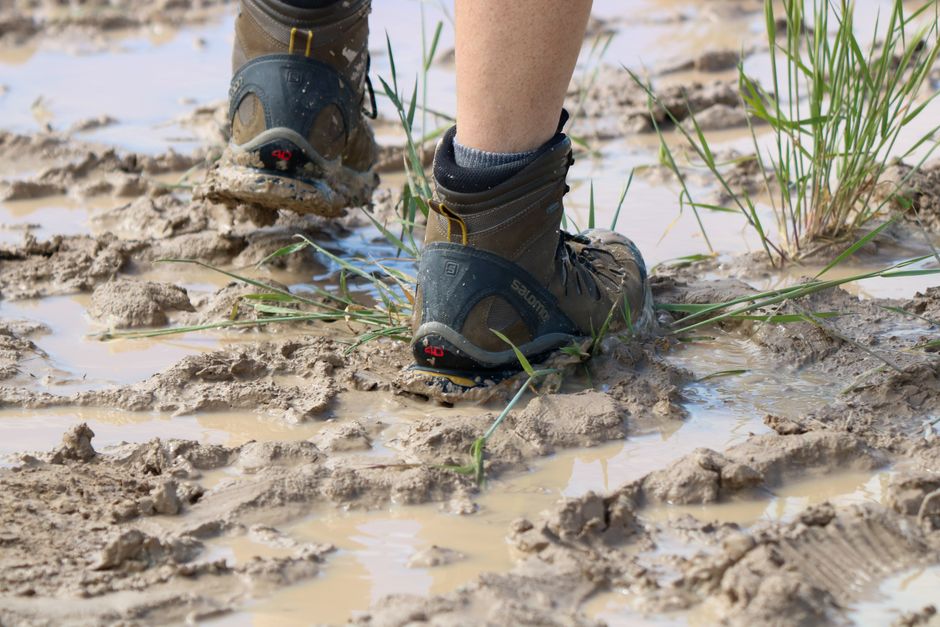
Find the right waterproof hiking boots for UK trails. Learn what matters, compare price tiers, and spot the best deals with our live price tracker.