
Tents by Feature — Waterproof, Blackout & Porch Tents Compared
Tents by feature breaks down waterproof ratings, blackout linings, UV resistance and porch layouts so you buy the right spec.
22 products trackedprices checked daily4 at a 90-day low
Disclosure: As an Amazon Associate we earn from qualifying purchases. Prices and availability are accurate as of the date/time shown and are subject to change.
Quick answer
For most UK campers, a waterproof tent with a 3,000mm hydrostatic head and taped seams is the baseline; add a porch or blackout inner only if you will use it. Expect to pay around £100–£300 for a well-featured three-season tent. Check packed weight and pitch footprint before buying.
Products in Tent Features
23 products across all sections
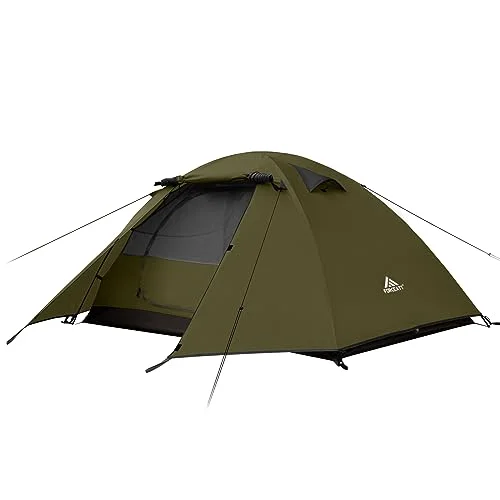
Forceatt 2 Man Camping Tent - Easy Setup Lightweight Two Doors PU3000mm Waterproof Dome - Windproof Instant Outdoor Shelter for Traveling, Beach, Hiking, Mountaineering
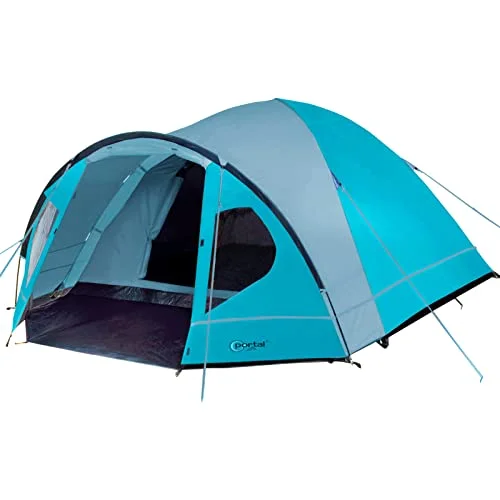
Portal 4 Man Tent with Porch, Camping Tent for 3 to 4 Persons with Sewn-in Groundsheet, 4000mm Waterproof, Dome Tent for Festival Outdoor Garden Picnic Hiking
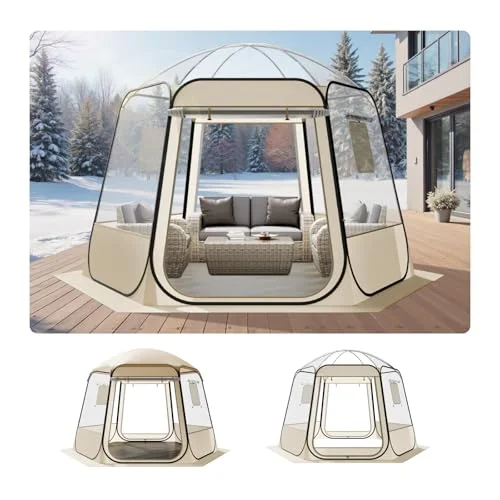
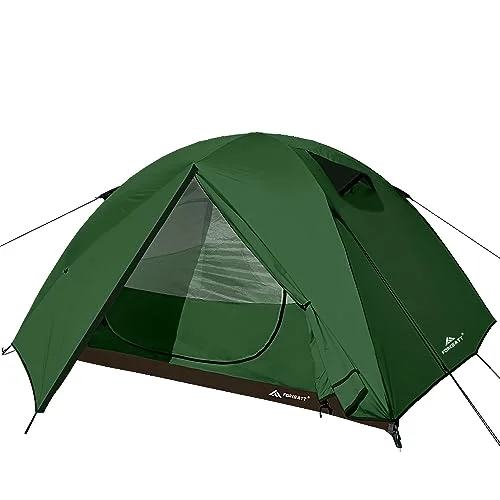
Forceatt Camping Tent with Double-Layer Roof for 3 People, 100% UV-Resistant, Windproof, Waterproof, Portable, Ultra-Lightweight, for Trekking, Camping, Beach, Adventures, etc.
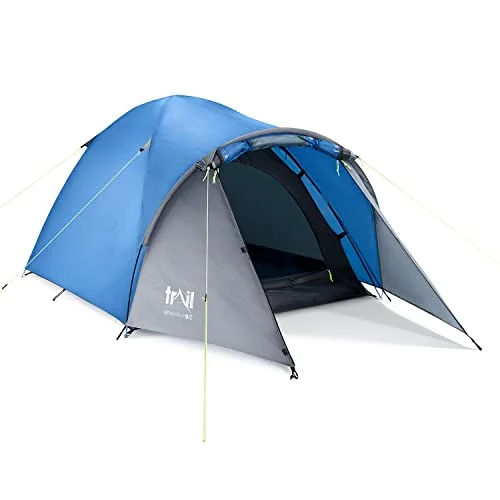
Trail Bracken 2 Man Tent with Porch, Dark Zone, 3000mm Waterproof, 3kg | Easy-Pitch Dome Design, Carry Bag Included, Ideal for Camping & Festivals, L300cm x W140cm x H110cm
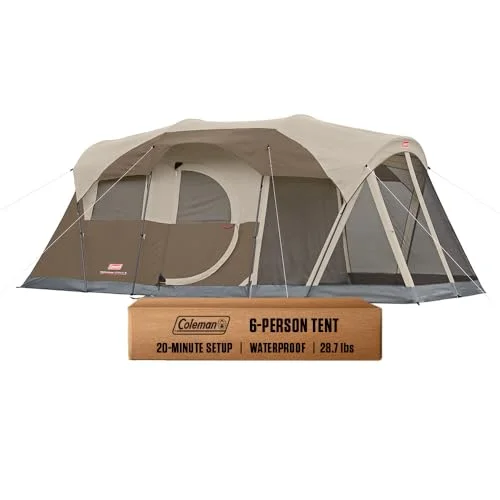
Coleman WeatherMaster 6-Person Tent with Screen Room | Weatherproof Family Tent with Rainfly, Screen Room for Extra Storage or Sleep Space, Easy Setup with Color-Coded Poles
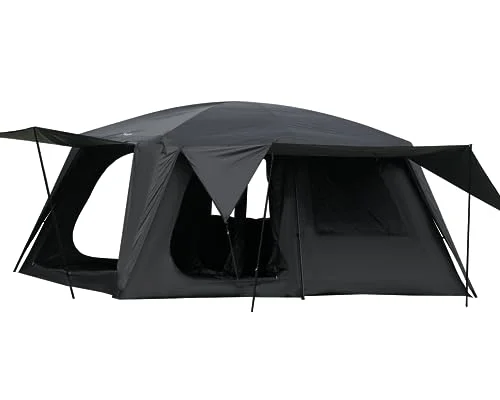
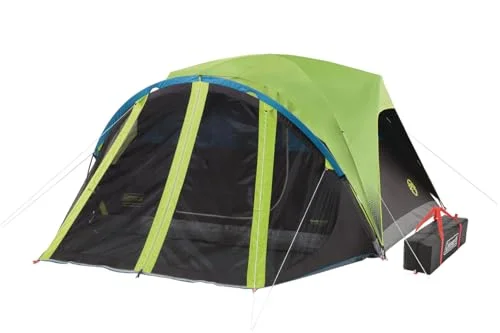
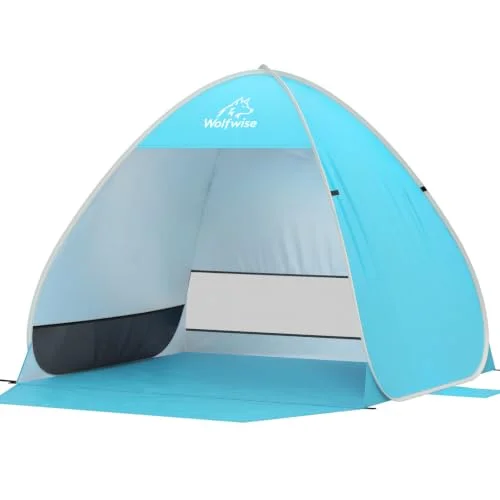
WolfWise Pop up Beach Tent, 1-2 Person Sun Shade Instant Setup for Outdoor | Portable UV Protection Beach Shelter Canopy with Wind-resistant & Water-repellent, Carrying Bag, 160 × 130 × 120 cm, Blue
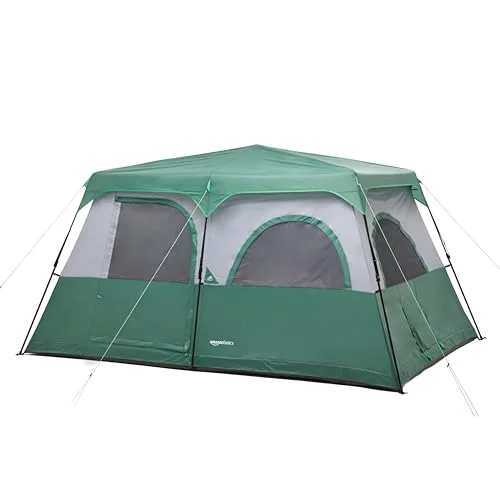
Amazon Basics 10-Person Instant Camping Tent with Rainfly, Pre-Attached Telescoping Frame, Weather-Resistant, Quick Setup, Mesh Windows, Room Divider, for Large Group & Family, Green,
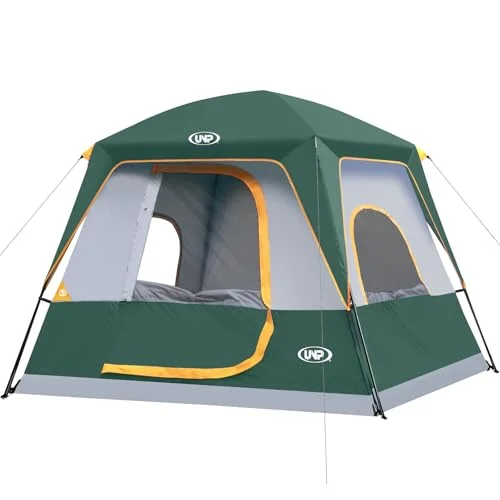
UNP Camping Tent 4-8 Person, Tall Family Tent with Standing Room | 4 Man Tent / 8 Man Tent Waterproof Windproof with Rain Cover Easy Set Up Portable Dome Tents
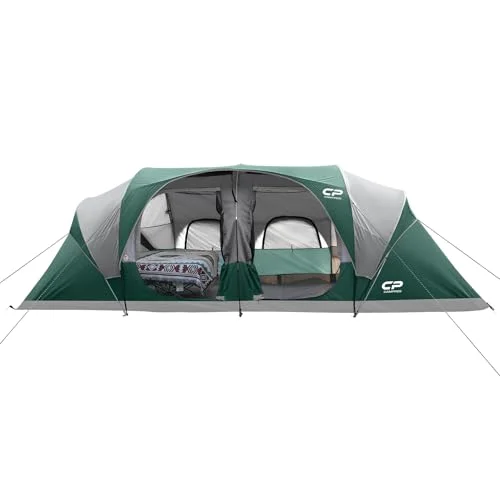
CAMPROS CP 12-Person Family Tent, 3-Room Tunnel Camping Tent, Waterproof | Waterproof Windproof Family Tent, 6 Mesh Windows, Double-Layer Design, Easy Setup, Carry Bag, Ideal for Family Holidays
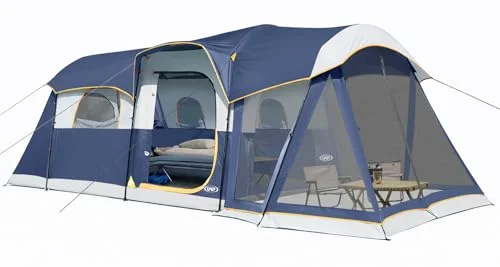
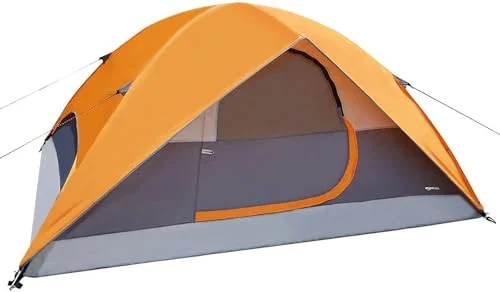
Amazon Basics Dome Camping Tent with Rainfly and Carry Bag, 3-Season Waterproof Easy Set-Up Tent, 4 Person, Orange/Grey
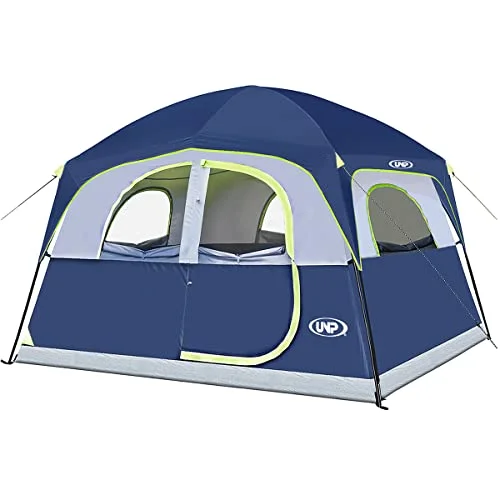
UNP 6 Man tent, Large Family Tent for Camping Stand Up | 5 -6 Man Tent, Double Layer Camping Tent with 1 Mesh Door & 5 Large Mesh Windows 300 x 270 x 200 cm (H)
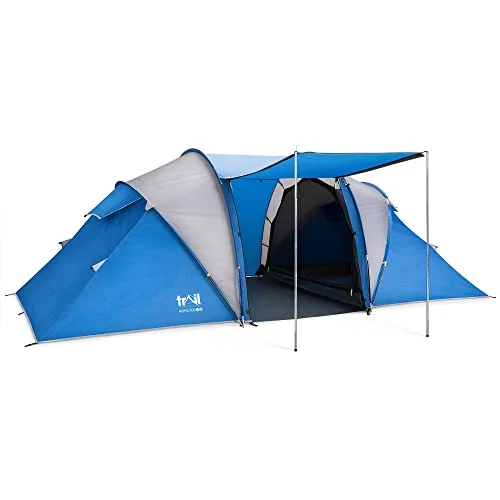
Trail Hartland 4 Man 2 Room Tent With Living Area and Awning, 3000mm Waterproof Rating, Tunnel Tent with Dark Zone Bedroom Technology, Family Camping, Bag Included (420cm x 210cm x 140/115cm)
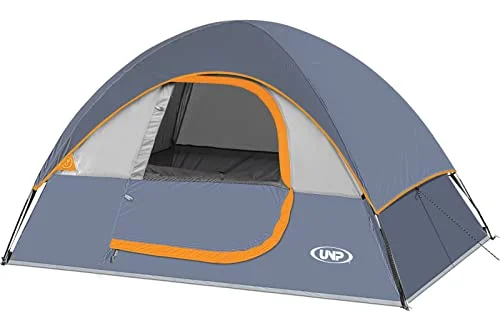
UNP Camping Tent for 2-3 Person | Waterproof Windproof Easy Assemble Portable Dome Tent for Camping
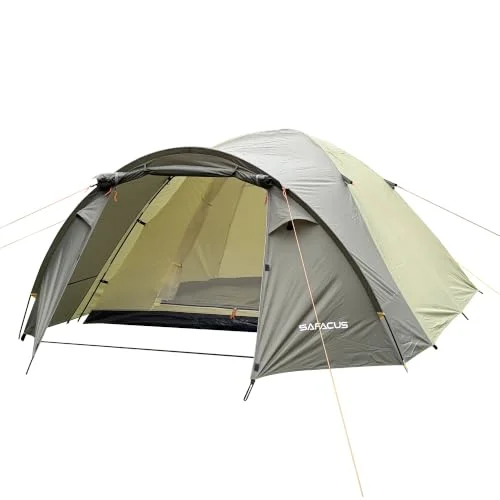
SAFACUS 3-4 Person Dome Camping Tent, Double layer, Full Waterproof Holiday Family 3 to 4 Man Tent, Easy to Set Up for Outdoors Hiking Fishing Traveling Beach Vacation
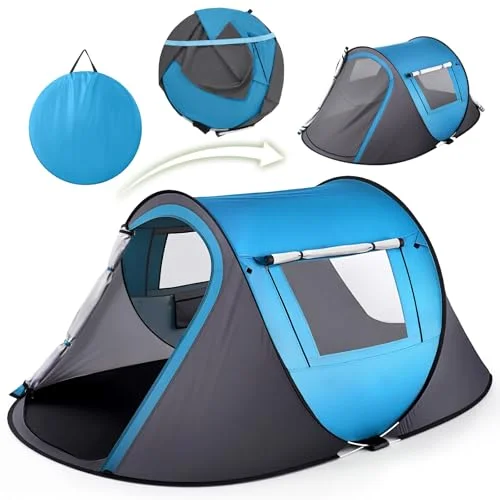
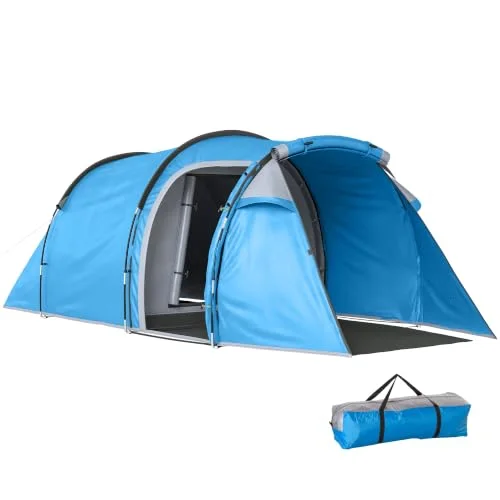
Outsunny 2 Man Tunnel Tent Sewn-in Groundsheet 426 x 206 x 154cm Light Blue | Air Vents, Rainfly, 2000mm Large Camping Tent, Bedroom, Porch, Living Area, Camping, Hiking
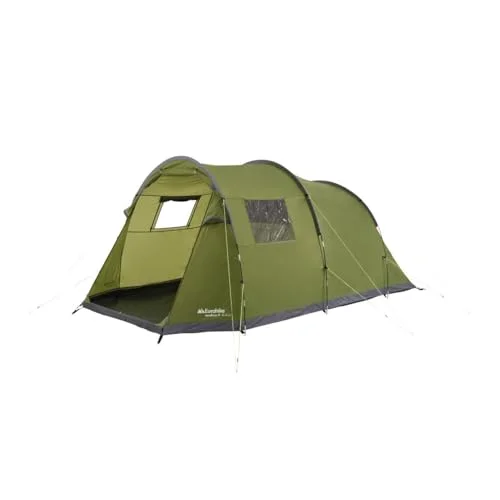
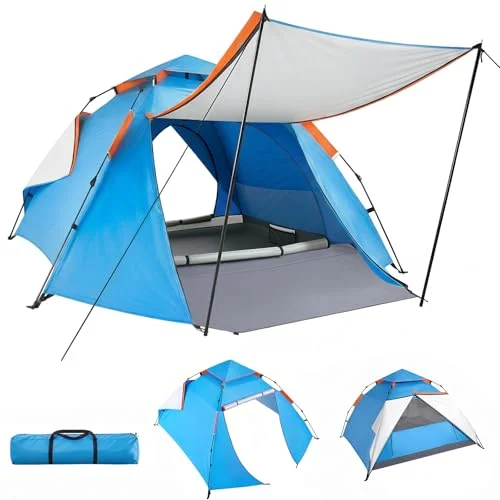
Warmiehomy Camping Tent with Porch, 2 Man Pop Up Tent, Blue | Instant Pop Up, Three Layers Dome Tent, Extended Floor Mat, UV Protection, Water Resistant, Detachable Rain Fly 2 Hall Poles
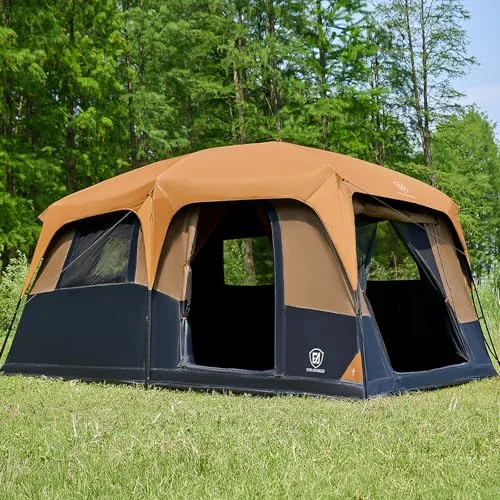
EVER ADVANCED 10 Person Camping Blackout Tent, Multi Room Tent for Family, Large Tents with Rainfly and Carry Bag, 2 Doors, Water-Resistant, 14ft x 10ft x 84in
Top Deals in Tent Features
Products at their best prices right now
Buying Guide: Tent Features
Everything you need to know before you buy
Choosing Tents by Feature: What Actually Matters
−Buying tents by feature rather than by brand or headline capacity is the smartest way to shop — the details that decide whether you stay dry and comfortable are poles, fabric and pitching design, not marketing badges. A tent that suits a windy Lake District pitch is a different beast from one built for a sunny festival weekend.
| Material | Durability | Typical UK price | Best for |
|---|---|---|---|
| Polyester ripstop (coated) | Medium | £80–£250 | Weekend camping, festivals, value |
| Nylon ripstop (silicone) | Medium–high | £150–£450 | Backpacking, light weight |
| Polycotton canvas | High | £300–£800 | Family car camping, long stays |
| Aluminium poles (DAC) | High | £200–£600 | Windy exposed pitches |
| Fibreglass poles | Low–medium | £60–£180 | Sheltered sites, occasional use |
Look for taped or sealed seams, a hydrostatic head of at least 3,000mm on the flysheet, and aluminium poles over fibreglass if you'll pitch anywhere exposed. These are the features that separate a tent that lasts a decade from one that leaks by its second season.
Packed Size, Weight and Real Sleeping Space
+Capacity claims are optimistic: a 4-person tent sleeps four adults only if they're slim and lie still, with no room for…
Tent Prices: What £100 vs £500 Buys
+Budget tents under around £150 typically use fibreglass poles and basic coated polyester — fine for sheltered summer cam…
Common Tent Buying Mistakes to Avoid
+The costliest error is buying on capacity alone — a "2 person" tent that barely fits two sleeping mats with no porch lea…
Matching Tent Features to UK Weather and Use
+For UK rain and wind, prioritise a flysheet of 3,000mm+ hydrostatic head, taped seams and a porch big enough to cook and…
About Tent Features
Everything you need to know before you buy Tent Features
Frequently Asked Questions
Common questions about tent features
Start with the hydrostatic head (3,000mm+ for UK weather), then check seam taping, groundsheet thickness, and pole material. Decide which features you will actually use: a porch for wet kit, a blackout inner for lie-ins, or a stand-up height for changing. Match the packed weight to how you travel, and always read the pitch footprint. A well-specified tent from a reputable brand will outlast a cheaper one with flashy but fragile features.
Explore related categories
More from the same section as Tent Features — compare prices across the range