


Night Cat
Night Cat is a marketplace brand selling a compact range of tents aimed at campers who want straightforward, waterproof shelter without spending a fortune. About Night Cat
- Products tracked
- 8
- From
- £43.60
- Categories
- 7
- Prices
- Checked daily
Shop Night Cat by category
Night Cat: what to know before you buy
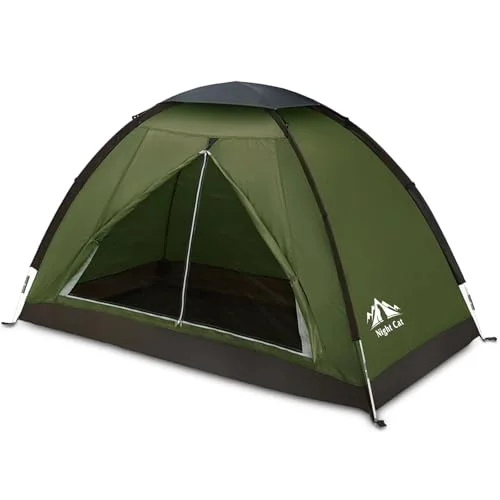
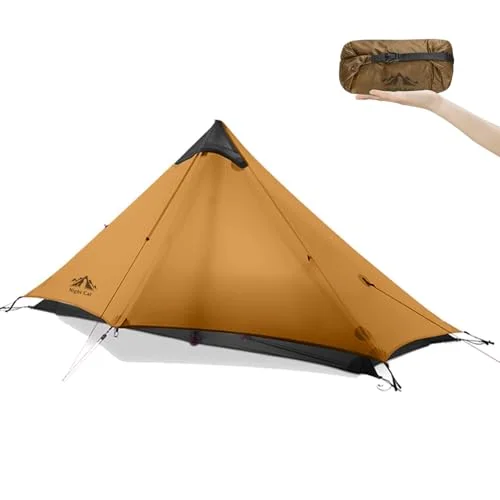
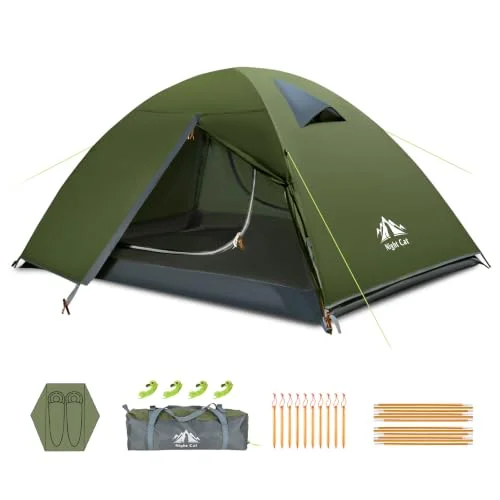
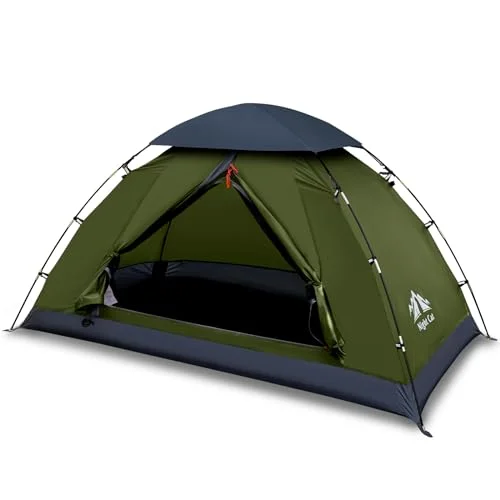
Night Cat is a marketplace brand selling a compact range of tents aimed at campers who want straightforward, waterproof shelter without spending a fortune. The tracked line-up is small and clearly focused: one-man and two-man backpacking tents, instant pop-up tents in one- and two-person sizes, and a four-person family tent with a porch. Across the range the same themes recur — PU3000mm waterproof coatings, quick set-up times measured in minutes or seconds, and lightweight packed weights, with the backpacking models coming in around 2kg and using aluminium poles and stakes on the two-man version. There is no heritage story here and no long catalogue of expedition kit; it is a value-led brand making practical tents for ordinary UK trips.
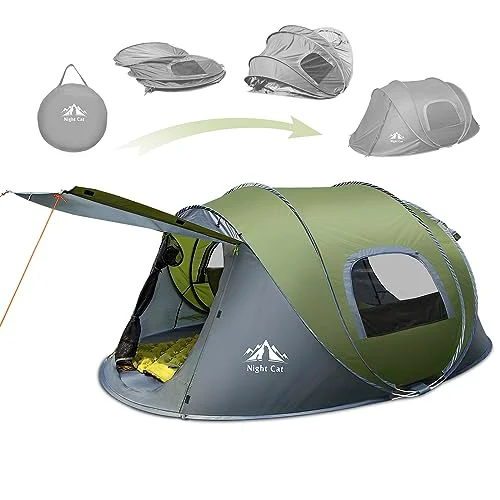
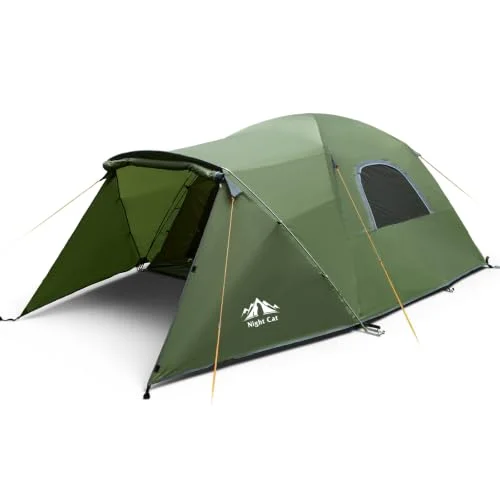
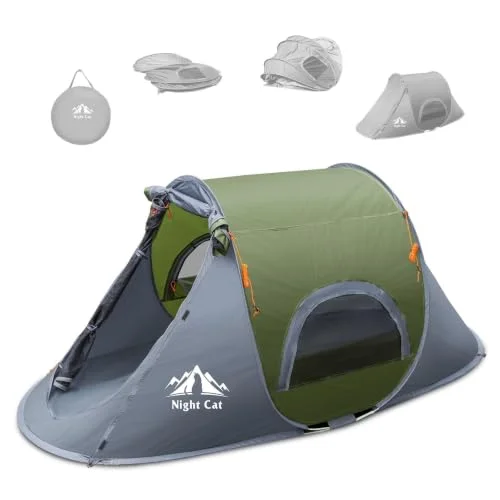
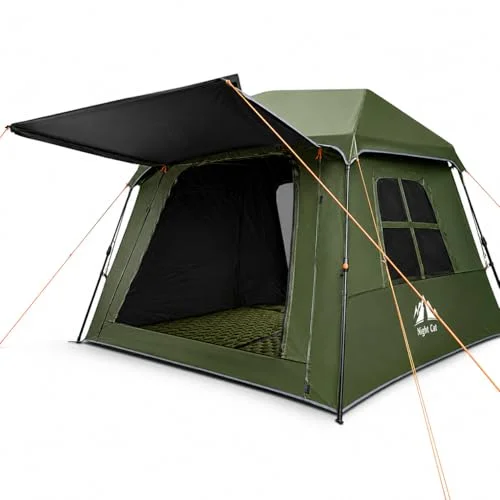
The main ranges split neatly by how you plan to camp. The backpacking and ultralight one-man tents are for hikers and trekkers who need a small pack size and a fast pitch at the end of a long day, with good ventilation for damp British evenings. The pop-up tents are the instant option — a few seconds to standing, then folded away again — and the two-person pop-up is the sort of thing that suits festivals and short weekend camps where you cannot be bothered with poles. The four-person family tent with porch and the four-person blackout pop-up with vestibule and rainfly cover the car-camping end, giving more living space and a darker sleeping area for lighter summer mornings. Quality signals are modest but consistent: the same PU3000mm coating across most models, taped seams implied by the waterproof ratings, and aluminium rather than fibreglass poles on the lightweight two-man.
In UK terms Night Cat sits firmly in the budget-to-mid band. Entry-level one-man and pop-up models start from around £43, and the range averages around £88, so most of the line-up lands under £100 — well below the price of a branded four-season tent. That makes Night Cat a sensible first tent, a festival tent you are not precious about, or a spare for a friend. Because the range is small, prices move around on individual models rather than across the board, and we track Night Cat prices daily so you can see when a particular tent has dropped rather than guessing. At the time of writing, two of the eight tracked tents were sitting near a 90-day low, which is exactly the kind of moment worth catching before a bank holiday weekend.
For UK conditions, the waterproofing and quick pitch matter more than fancy features. A one-man backpacking tent that goes up in a couple of minutes is a real advantage on a wet Lake District evening, and the blackout family tent is useful at festivals where the sun comes up long before you want to. If you are walking in and wild camping, look at the ultralight and backpacking one-man options; if you are driving to a campsite with the family, the four-person porch model gives you somewhere to sit out a shower. Either way, the price band means you can afford to replace it when it wears out rather than babying it.
What Night Cat Is Known For
Night Cat is known for budget-friendly tents that prioritise waterproofing and fast set-up over premium materials. The tracked range consistently uses PU3000mm coatings, which is a respectable rating for three-season UK camping, and the pop-up models are built around instant pitching — seconds rather than minutes. The backpacking tents are lightweight, with the two-man version around 2kg and aluminium poles and stakes. It is a marketplace brand rather than an established outdoor name, so the appeal is straightforward value: a tent that keeps the rain out and goes up quickly without a big outlay.
Their Main Ranges
The range breaks into three clear groups. First, backpacking and ultralight tents in one- and two-person sizes, aimed at hikers who want low weight and a small pack size. Second, pop-up tents in one- and two-person sizes, which pitch instantly and suit festivals and short trips. Third, family tents — a four-person model with porch and a four-person blackout pop-up with vestibule and rainfly. Across all of them you get the same core features: waterproof coatings, quick setup, and portable packed sizes. There is no four-season or expedition option in the tracked line-up.
Price & When to Buy
Night Cat sits in the budget-to-mid price band. Entry-level one-man and pop-up tents start from around £43, and the average across the tracked range is around £88, so most models come in under £100. That is well below premium tent brands, and the trade-off is simpler materials and fewer refinements. Because the range is small, discounts tend to appear on individual models rather than across the whole brand. We track Night Cat prices daily, so you can see when a specific tent drops near its 90-day low — at the time of writing, two of the eight tracked tents were close to that mark.
How to Spot Genuine Night Cat
Night Cat tents are sold online, and the brand name should appear clearly on the packaging and the tent itself. Check that the listed waterproof rating matches the model you are buying — most of the range is PU3000mm — and that the person capacity and pole type match the description. The backpacking two-man uses aluminium poles, whilst the pop-up models have a pre-assembled frame. Look for the stated packed weight and size, and be wary of listings that quote vague specifications. Buying from a listing with clear model details and a returns policy is the safest approach.
Styling Night Cat in UK Homes
This is camping kit rather than home decor, so styling means pitching it sensibly for British weather. Choose a sheltered spot with the porch or vestibule facing away from the prevailing wind, and use the rainfly properly on the family models. The blackout four-person tent is handy at festivals where you want to sleep past sunrise. For backpacking, the one-man tents are small enough to tuck into a corner of a campsite or a wild pitch without dominating the space. Colourways are functional rather than fashionable, which suits the price point.